
Why “Bed Rotting” is Out and “Soft Hiking” is In: Your Gentle Path to Real Restoration
Why “Bed Rotting” is Out and “Soft Hiking” is In: Your Gentle Path to Real Restoration
In our fast-paced world, the appeal of “bed rotting” has taken hold. The idea of spending an entire day cocooned in blankets, scrolling through feeds, and completely disengaging from the world outside feels, at first glance, like the ultimate act of self-care. It’s a seductive escape, a rebellion against an unrelenting schedule. But is this passive retreat truly restorative? Or does it often leave us feeling more sluggish, more disconnected, and even guilty?
While many articles simply contrast the downsides of “bed rotting” with the superficial benefits of “soft hiking,” we’re going deeper. We understand the profound exhaustion, overwhelm, and desperate need for escape that draws people to bed rotting. This isn’t about shaming or a quick fix; it’s about offering a compassionate, actionable roadmap to transition from sedentary coping to the gentle, restorative power of soft hiking. This mindful movement isn’t just a change of scenery; it’s a profound journey towards reclaiming your energy, gently nurturing your mental well-being, and building a sustainable practice that truly revitalizes your spirit, transforming passive escape into active, mindful restoration.
Understanding the Allure of Bed Rotting: More Than Just Laziness
To truly understand why soft hiking is a superior alternative, we must first acknowledge the genuine reasons people gravitate towards bed rotting. It’s rarely about simple laziness; it’s often a cry for help from an overburdened mind and body.
The Hidden Roots of Inertia: When Exhaustion Takes Over
- Chronic Stress & Burnout: Modern life is a relentless cycle of demands. Deadlines, digital notifications, social pressures – they all contribute to a baseline level of stress that can lead to profound burnout. Bed rotting becomes a perceived safe harbor from this constant bombardment.
- Mental & Emotional Fatigue: Decision fatigue, emotional labor, and the sheer volume of information we process daily can leave our mental reserves completely depleted. The thought of engaging with anything further feels impossible.
- Anxiety & Overwhelm: For many, the outside world feels overwhelming. The pressure to “be productive” or “do something” can trigger anxiety, making the confinement of a bed feel like the only safe space.
Bed rotting, in this context, is a coping mechanism. It’s an attempt to self-soothe, to disconnect from demands, and to find comfort. The problem, however, lies in its long-term efficacy.
The Illusion of Restoration
While the initial hours of bed rotting might offer a sense of relief, this often gives way to an illusion of restoration. True revitalization comes from engagement, not complete disengagement. Prolonged inactivity, excessive screen time, and isolation can:
- Disrupt sleep patterns, leaving you feeling less rested.
- Exacerbate feelings of loneliness and depression.
- Create a cycle of guilt and increased inertia, making it harder to break free.
- Lead to physical stiffness and a lack of natural energy.
It’s a temporary escape that often leaves us further from genuine well-being.
Enter Soft Hiking: A Gentle Revolution in Self-Care
This is where soft hiking emerges not just as an alternative, but as a direct, compassionate answer to the needs that bed rotting attempts to address. It’s about meeting yourself where you are, with kindness and understanding.
What Exactly is “Soft Hiking”?
Soft hiking isn’t about scaling mountains or clocking impressive distances. It’s about:
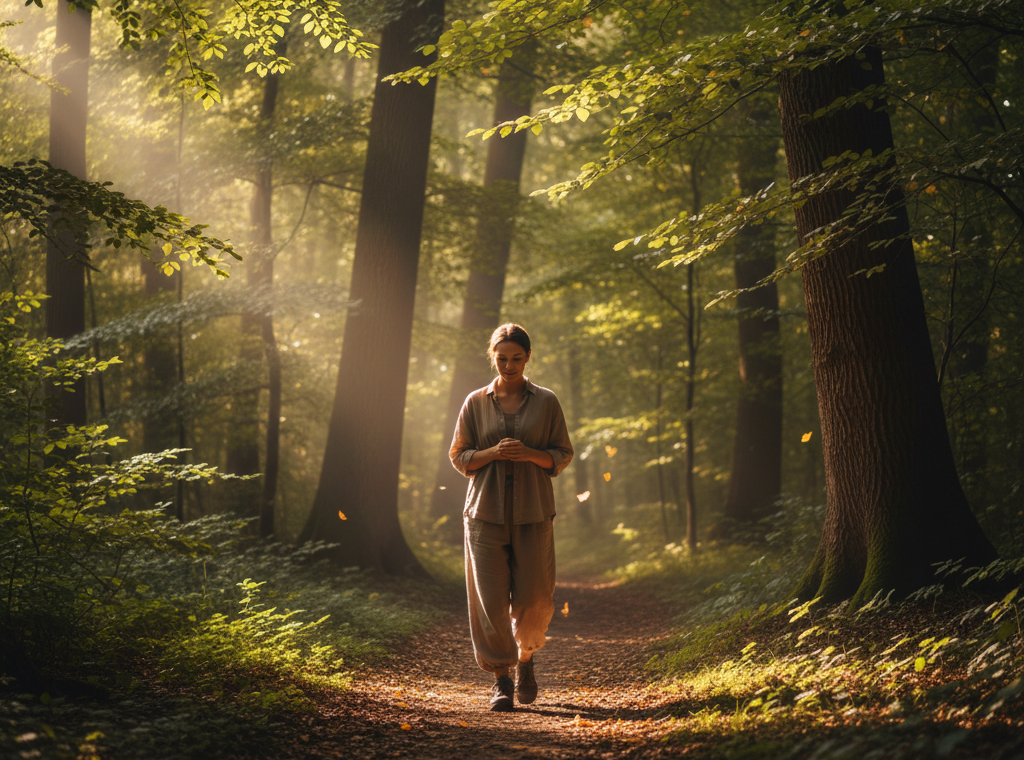
- Low-Intensity Movement: Gentle walks in nature – a local park, a quiet trail, even a tree-lined street in your neighborhood. The pace is relaxed, comfortable, and sustainable.
- Mindful Engagement: It’s less about the destination and more about the journey. Paying attention to sensory details: the rustle of leaves, the warmth of the sun, the scent of fresh earth, the birdsong.
- Focus on Well-being, Not Performance: There are no fitness goals, no calorie counts, no pressure to push yourself. The sole purpose is to connect with nature, soothe your nervous system, and gently move your body.
Why Soft Hiking Directly Addresses Bed Rotting’s Root Causes
Soft hiking offers a powerful antidote because it provides what bed rotting seeks, but in a truly restorative way:
- Movement Without Depletion: It gently energizes your body without demanding intense effort, countering the physical stagnation of bed rotting.
- Nature’s Calming Effect: Scientific studies show that spending time in nature reduces cortisol (stress hormone) levels and boosts mood. This biophilia effect is a direct balm for an anxious mind.
- Mindful Presence Breaks Rumination: By engaging your senses in the natural world, soft hiking pulls you out of endless mental loops and into the present moment, offering a genuine escape from overwhelm.
- Gentle Re-engagement: It’s a low-pressure way to reconnect with the world and your own body, fostering a sense of agency and empowerment rather than isolation.
Your Compassionate Guide to Transitioning: From Bed to Trail
Making the shift from the perceived comfort of bed rotting to the active calm of soft hiking requires a gentle approach. Remember, this is a journey of self-compassion, not self-criticism.
Step 1: Acknowledging and Allowing (No Guilt Zone)
Start by simply acknowledging how you feel without judgment. If bed rotting feels appealing, ask yourself why. Then, challenge yourself with the smallest possible step:
- Open your curtains and let natural light in.
- Step onto your balcony or porch for five minutes.
- Walk to your mailbox and back, mindfully observing your surroundings.
Every tiny step out of inertia is a victory. Celebrate it.
Step 2: The “Micro-Adventure” Mindset
Forget grand expeditions. Your soft hike can be as short as 10-15 minutes. The key is to focus on quality, not quantity. During these micro-adventures, engage your senses:
- What colors do you see?
- What sounds do you hear?
- What do you smell in the air?
- How does the ground feel beneath your feet?
This mindful presence is the magic. It grounds you and quiets the mental chatter.Beyond Willpower: How to Create a Dopamine Menu and Tame Food Noise
Step 3: Curating Your Soft Hiking Experience
Make it easy and enjoyable:
- Choose Accessible Paths: A local park, a botanical garden, a quiet residential street with trees, or even your own backyard if it offers a sense of nature.
- Dress for Comfort: Wear soft, layers, and comfortable shoes. This isn’t about fashion; it’s about feeling good.
- Leave Expectations Behind: Don’t set a distance or speed goal. If you feel like stopping to sit on a bench and simply observe, do it. This is your time to simply be.
Step 4: Building Gentle Consistency
Like any new habit, consistency is key, but approach it gently:
- Schedule It: Treat it like an important self-care appointment. Even if it’s just 15 minutes, put it in your calendar.
- Find Your Rhythm: Some prefer morning walks to greet the day, others find solace in an afternoon stroll or an evening wind-down. Experiment to see what feels best.
- Reflect & Acknowledge: After each soft hike, take a moment to notice how your body and mind feel. Chances are, you’ll experience a subtle lift in mood and energy. This positive reinforcement encourages you to continue.
How to Build a Morning Routine That Doesn’t Start with Your Phone: Reclaiming Your Day for True Well-being Remember, progress, not perfection, is the goal.
The Profound Benefits: Beyond Just “Getting Fresh Air”
The consistent practice of soft hiking offers a wealth of benefits that directly counteract the negative impacts of prolonged bed rotting, fostering a truly thriving lifestyle.
- Enhanced Mood and Reduced Stress: Studies consistently show that time in green spaces significantly lowers stress hormones and improves mood, acting as a natural antidepressant.
- Improved Cognitive Function: Nature walks have been linked to improved focus, creativity, and problem-solving skills, giving your brain a much-needed reset.
- Better Sleep Quality: Exposure to natural light during the day helps regulate your circadian rhythm, promoting deeper, more restorative sleep at night.
- Increased Resilience and Energy: Unlike the fleeting energy from caffeine or sugar, the gentle movement and fresh air of soft hiking build sustainable physical and mental resilience, boosting your natural energy levels over time.
- Deeper Connection: It fosters a profound connection to yourself, to the natural world, and to the present moment, cultivating a sense of peace and belonging that bed rotting cannot provide.
Winter Wellness in India: Ayurvedic Secrets to Thrive & Beat the Gloom | These are not just fleeting benefits; they are foundations for long-term well-being.
Conclusion: Choosing Active Restoration for a Fuller Life
The journey from the allure of bed rotting to the embracing of soft hiking is a testament to choosing active restoration over passive escape. It acknowledges the deep need for comfort and respite but redirects that need towards practices that genuinely nourish your mind, body, and spirit. It’s about moving from a state of overwhelm and inertia to one of gentle engagement and revitalized well-being.
You don’t need to conquer a mountain or embark on an epic adventure. You simply need to take that first gentle step outside, breathe deeply, and allow the quiet power of nature to work its magic. Soft hiking isn’t just a trend; it’s a compassionate invitation to reclaim your energy, find your calm, and build a sustainable path to a more vibrant and connected life. So, the next time the call of the bed is strong, remember the gentle whisper of the trail. Your journey to true restoration begins with a single, soft step.