
Winter Wellness in India: Ayurvedic Secrets to Thrive & Beat the Gloom
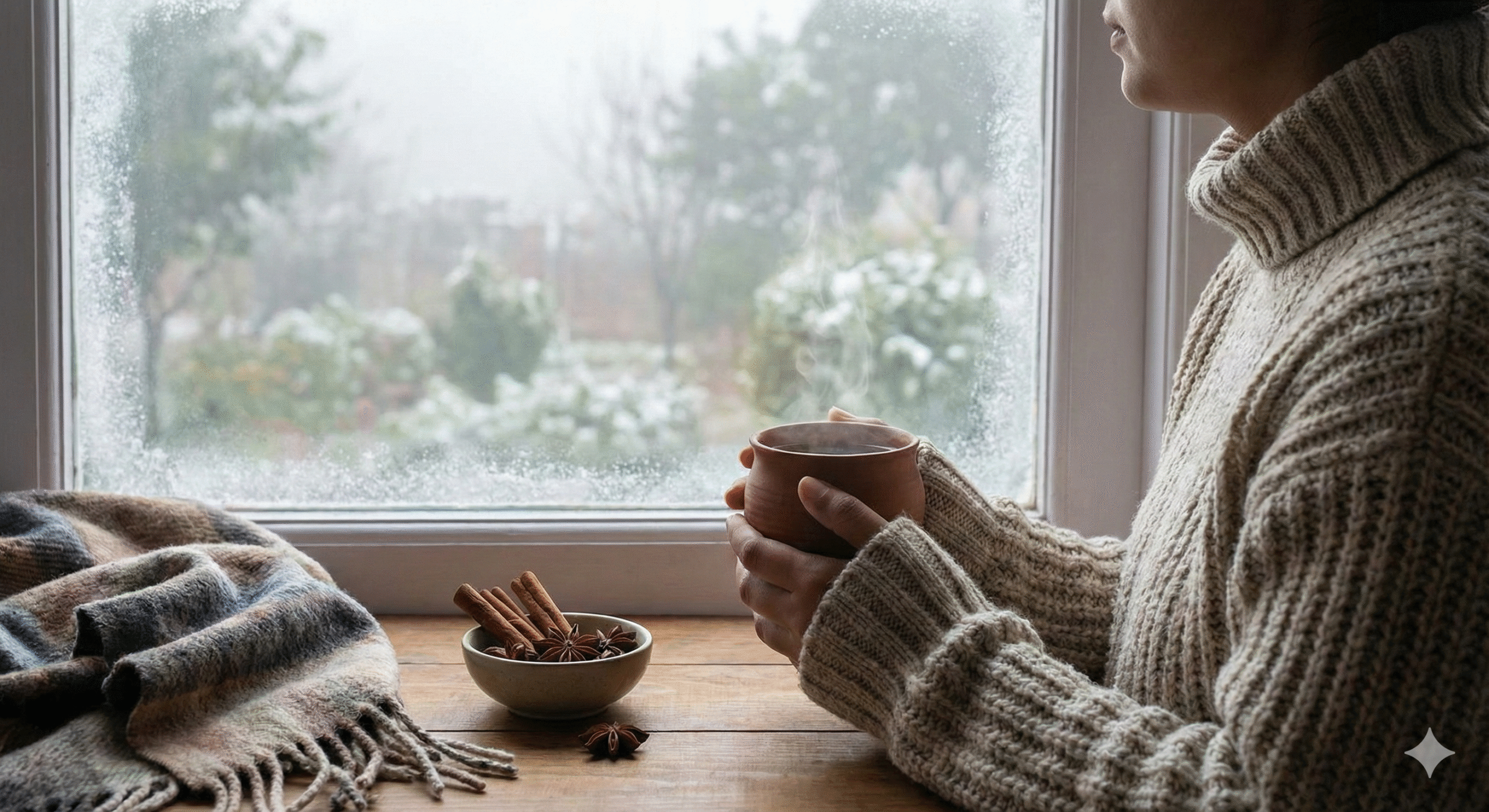
Winter Wellness India Ayurveda
As the crisp winter air sweeps across India, bringing with it a unique blend of seasonal charm and a touch of the notorious “winter blues,” many of us find ourselves struggling to maintain our energy, mood, and overall vitality. The shorter days, the chill, and the natural inclination to slow down can leave us feeling sluggish, lethargic, and emotionally subdued. While the desire for cozy blankets and hot chai is understandable, the challenge lies in moving beyond temporary comforts to genuinely sustain a wellness practice that invigorates us through the colder months.
At LifestyleCart, we understand that true wellness isn’t just about knowing *what* to do, but *how* to integrate these practices into the demanding rhythm of modern life. It’s about navigating the psychological hurdles, the practical constraints, and the inevitable inconsistencies that real people face. This comprehensive guide, rooted in the ancient wisdom of Ayurveda, isn’t just a list of tips; it’s your “in-the-trenches” companion to help you cultivate a resilient and joyful winter, transforming gloom into glorious well-being.
Understanding Winter Through an Ayurvedic Lens: Vata & Kapha Dominance
In Ayurveda, winter is primarily seen as a season dominated by Vata (air and ether) and Kapha (water and earth) doshas. As the cold and dry qualities of Vata increase, you might experience dry skin, cracking joints, increased anxiety, disturbed sleep, and digestive issues. Towards the latter part of winter, especially in regions where the cold is damp and heavy, Kapha dosha can become aggravated, leading to sluggishness, congestion, weight gain, and feelings of melancholy or heaviness. Understanding these elemental shifts is the first step in harmonizing your body and mind with the season.
Ayurveda, a science dating back thousands of years, teaches us that “like increases like” and “opposites balance.” To counter winter’s cold, dry, and heavy qualities, we need to embrace warmth, moisture, and lightness in our diet and lifestyle. This holistic approach ensures that we don’t just survive winter, but truly thrive.
Ayurvedic Dietary Wisdom for Winter Warmth & Vitality
Food is medicine, especially in Ayurveda. During winter, your digestive fire (Agni) can be stronger, allowing you to process richer, more nourishing foods. The key is to choose foods that are warming, grounding, and easily digestible.
Warming Foods & Spices
- Ghee (Clarified Butter): A cornerstone of Ayurvedic winter diet, ghee is deeply nourishing, lubricating, and helps maintain internal warmth. It pacifies Vata, aids digestion, and promotes healthy skin. Incorporate a spoonful into your dals, rotis, or hot milk.
- Root Vegetables: Sweet potatoes, carrots, beets, and turnips are grounding and provide sustained energy. Roast them with warming spices for a delicious and nutritious meal.
- Warming Spices: Ginger, turmeric, black pepper, cinnamon, cardamom, and cloves are your best friends. They boost Agni, improve circulation, and fight congestion. Add them generously to your cooking, teas, and milk. A daily cup of ginger tea can do wonders.
- Whole Grains & Legumes: Opt for wholesome grains like brown rice, oats, and quinoa. Lentils and moong dal provide protein and are relatively easy to digest.
Hydration & Herbal Teas
Even though you might not feel as thirsty, staying hydrated is crucial. Drink warm or hot water throughout the day. Herbal teas are particularly beneficial:
- Ginger-Tulsi Tea: Combines the warming properties of ginger with the immune-boosting power of tulsi (holy basil), perfect for warding off colds.
- Cinnamon-Cardamom Tea: A delightful and aromatic blend that aids digestion and provides internal warmth.
- Turmeric Milk (Haldi Doodh): A classic Indian remedy, this golden elixir is anti-inflammatory, immune-boosting, and incredibly comforting before bedtime.
Avoiding Cold & Heavy Foods
To avoid aggravating Vata and Kapha, minimize or avoid:
- Cold and Raw Foods: Salads, cold drinks, and ice cream should be limited, as they dampen Agni.
- Excess Dairy: While warm milk with spices can be beneficial, excessive consumption of cold dairy (like curd or cold milkshakes) can increase Kapha and lead to congestion.
- Processed & Fried Foods: These are difficult to digest and can lead to sluggishness and toxin buildup.
Lifestyle & Routine (Dinacharya) for Winter Well-being
Ayurveda emphasizes a daily routine (Dinacharya) tailored to the seasons to maintain balance and harmony.
Abhyanga (Self-Oil Massage)
This ancient practice is a winter savior. Massaging your body with warm sesame oil before a bath helps nourish the skin, calm the nervous system (Vata), improve circulation, and release toxins. The key to sustaining this is to integrate it, even briefly. Start with a 5-minute massage if a full one feels daunting. It’s a powerful act of self-love that counters winter’s dryness and cold. The “why it matters” here is immense: it’s not just skin deep; it’s a profound grounding ritual that soothes the mind.
Early to Bed, Early to Rise
Aligning with the sun’s rhythm is vital. Going to bed earlier (by 10 PM) and waking up with or before sunrise helps balance Kapha and Vata. This simple shift can dramatically improve energy levels and mood. We know it’s hard when the bed is extra cozy, but the sustained energy you’ll gain makes the initial effort worthwhile.
Gentle Movement & Yoga
Regular physical activity helps keep Agni strong, prevents sluggishness, and uplifts mood. Focus on warming, gentle movements.
- Sun Salutations (Surya Namaskar): A series of postures that warm the body, improve flexibility, and awaken energy. Start with a few rounds and gradually increase.
- Vata & Kapha Pacifying Asanas: Standing poses, gentle backbends, and twists help improve circulation and reduce stiffness.
- Walking: A brisk walk in the morning sun (if available) can provide much-needed Vitamin D and a mood boost.
Pranayama & Meditation
Breathing exercises are potent tools for winter wellness. Kapalabhati (skull shining breath) and Bhastrika (bellows breath) generate internal heat and clear congestion. Nadi Shodhana (alternate nostril breathing) helps balance Vata and calms the mind. Regular meditation, even for 10-15 minutes daily, can significantly reduce stress and combat the winter blues. The consistency, even when you don’t ‘feel like it,’ is where the real magic happens, helping you navigate those psychological slumps.
Battling the Winter Blues: Mental & Emotional Wellness
The colder months often bring a dip in mood. Ayurveda acknowledges the deep connection between our physical doshas and our mental state (Manas).
Sensory Therapies
- Aromatherapy: Use warming and uplifting essential oils like frankincense, sandalwood, cedarwood, or sweet orange in a diffuser. These can positively impact your mood and promote relaxation.
- Warm Baths: Add a few drops of essential oils or a handful of Epsom salts to a warm bath for a relaxing and detoxifying experience.
Connection with Nature & Light
Don’t let the cold keep you indoors constantly. Seek out natural light whenever possible. Spending time outdoors, even for short periods, can boost Vitamin D levels and combat seasonal affective disorder (SAD). “The Times of India” has often highlighted the importance of sunlight for mental health, echoing ancient wisdom.
Cultivating Gratitude & Mindfulness
When the days feel dreary, actively cultivating gratitude can shift your perspective. Keep a gratitude journal. Practice mindfulness by focusing on the present moment – savoring a warm drink, feeling the texture of your blanket, or listening to calming music. These simple practices, though seemingly small, are crucial for sustaining inner peace against the external gloom. Consistency here is more impactful than intensity.
Beyond the Basics: Advanced Tips & Sustenance
For those looking to deepen their winter wellness journey, consider these additional Ayurvedic practices:
Seasonal Cleansing (Panchakarma Lite)
While full Panchakarma is a deep detoxification process, you can incorporate lighter home cleansing routines. A weekly fast from heavy foods, opting for kitchari (a simple blend of rice and lentils), can give your digestive system a break and gently cleanse the body. https://fazlaninaturesnest.com/ayurvedic-wellness-guide-to-stay-healthy-during-winter-season/
Herbal Support
Ayurvedic formulations can provide excellent support during winter:
- Chyawanprash: A traditional herbal jam packed with Vitamin C and powerful antioxidants, known for boosting immunity and overall vitality.
- Triphala: A gentle colon cleanser and rejuvenator, excellent for maintaining digestive health.
The Power of Community
Sharing your wellness journey can be incredibly motivating. Join local `yoga classes`, participate in wellness workshops, or connect with like-minded individuals. The collective energy can provide the encouragement needed to stay consistent, especially when motivation wanes. Studies on health and wellness confirm that social connection significantly enhances adherence to healthy habits and improves mental well-being.
Embracing Your Winter Wellness Journey with LifestyleCart
Winter in India, with its unique challenges, offers an incredible opportunity for introspection, nourishment, and renewal. By embracing these Ayurvedic principles, you’re not just reacting to the cold; you’re proactively cultivating inner warmth, vitality, and mental clarity. We know that integrating these practices into a busy, imperfect modern life can feel like a daunting task. The true victory isn’t in rigid adherence, but in the compassionate effort to show up for yourself, day after day, even when consistency feels elusive.
At LifestyleCart, our mission is to empower you with trusted information and expert insights to make wellness accessible and sustainable. Start small, be kind to yourself, and celebrate every step you take. This winter, transform the gloom into an opportunity for profound self-care, creating a foundation of well-being that will serve you year-round. Your journey to a vibrant, joyful winter starts now.