
Gut Health 101: Why Fermented Foods are the New Probiotics
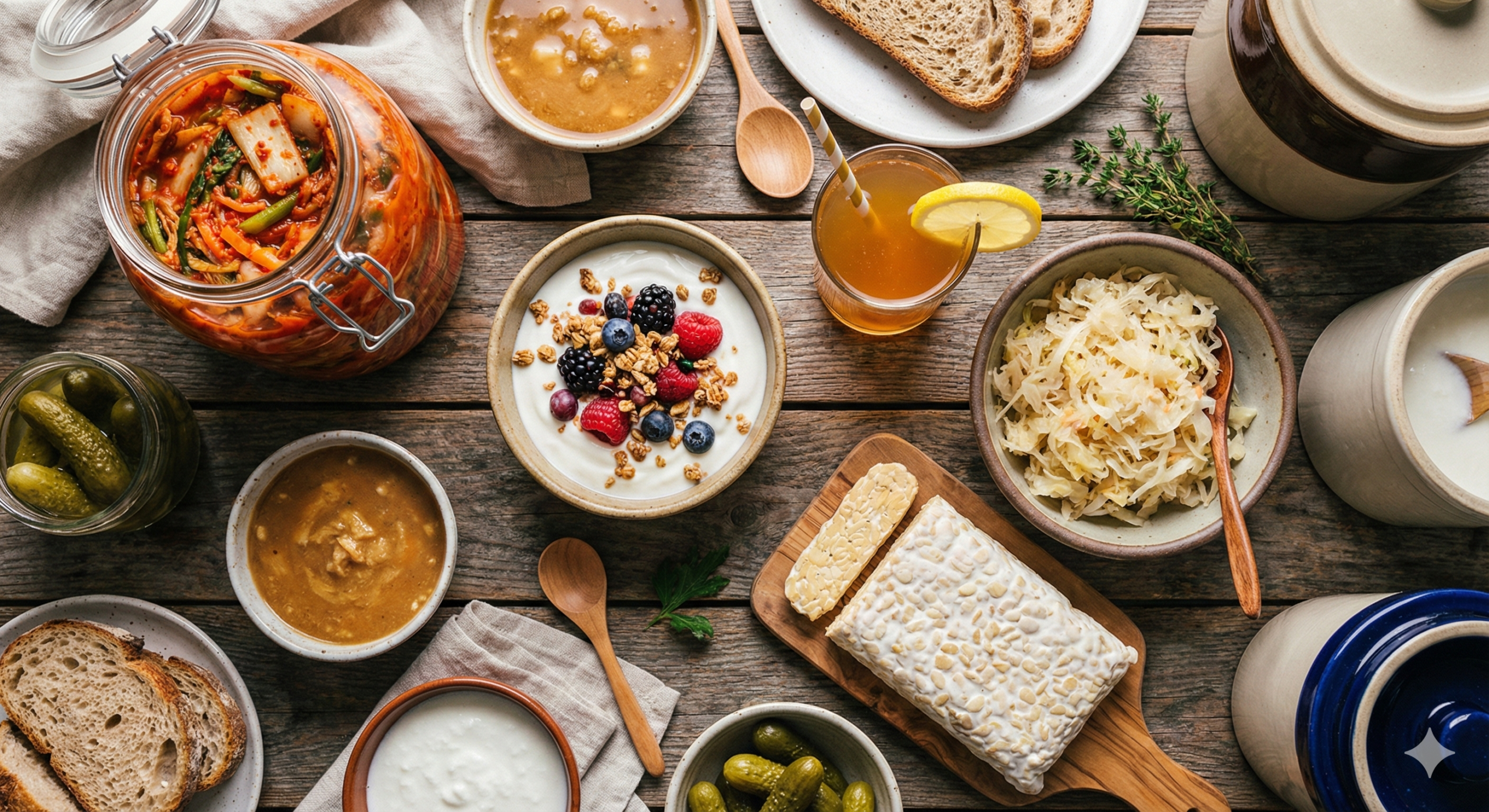
Gut Health 101: Why Fermented Foods are the New Probiotics
You’ve heard the advice a thousand times. In magazines, on podcasts, from your wellness-obsessed friend: “You need to take care of your gut health. Eat more probiotics!” It sounds simple, like a neat item to check off your health to-do list. Buy the yogurt, pop the pill, and you’re done. But then real life crashes the party. The expensive probiotic supplement you bought is still sitting on the shelf. You tried kombucha once and hated it. The idea of adding sauerkraut to your lunch makes your kids (and maybe you) wrinkle their noses. This is the messy middle—the gap between knowing what you *should* do and figuring out how to make it work in your chaotic, overscheduled, and very real life. Most articles give you the clinical roadmap. This is your playbook for the bumpy, unpaved backroads where true, sustainable health actually happens.
The Command Center in Your Core: Why Gut Health is Non-Negotiable
Before we dive into the “how,” let’s solidify the “why.” Your gut, specifically your gut microbiome, is a bustling metropolis of trillions of microorganisms, including bacteria, viruses, and fungi. This ecosystem is so critical to your well-being that scientists often refer to it as the “second brain.” A balanced and diverse microbiome doesn’t just mean smooth digestion; its influence extends to nearly every corner of your health.
A Healthy Gut is a Healthy You
- Immune System Powerhouse: Roughly 70% of your immune system resides in your gut. A healthy microbiome helps train your immune cells to differentiate between friendly organisms and harmful invaders, according to research published in journals like Nature Reviews Immunology.
- The Gut-Brain Connection: Your gut and brain are in constant communication via the vagus nerve. An imbalanced gut can contribute to mood swings, anxiety, and even depression by disrupting the production of neurotransmitters like serotonin, the “feel-good” chemical.
- Metabolic and Weight Management: The composition of your gut bacteria can influence how your body harvests energy from food, stores fat, and regulates blood sugar. As Dr. Alanna Cabrero, a functional medicine practitioner, notes, “We’re not just what we eat; we’re what our microbes can digest. A diverse microbiome is key for a healthy metabolism.”
The bottom line is clear: nurturing your gut isn’t a trend; it’s a foundational pillar of modern preventative health. And one of the most powerful ways to do that is through food.
The Showdown: Fermented Foods vs. Probiotic Supplements
The supplement aisle is overflowing with probiotic pills, each promising billions of “colony-forming units” (CFUs) to restore your gut balance. And while they can be useful in specific, targeted situations (like after a course of antibiotics), they often fall short when compared to their whole-food counterparts: fermented foods.
Why Food Wins the Fight
Think of a probiotic pill as a small, specialized team sent in to do a job. Fermented foods, on the other hand, are like sending in an entire, thriving community with its own support system.
- Bacterial Diversity: A single serving of sauerkraut or kefir can contain a much wider variety of beneficial bacterial strains than most supplements, which typically feature only a handful. Diversity is the hallmark of a resilient microbiome.
- Built-in Fuel (Prebiotics): Fermented foods often contain prebiotics—the dietary fibers that your good gut bacteria feed on. A supplement gives you the seeds; fermented food gives you the seeds *and* the fertilizer.
- Enhanced Nutrition: The fermentation process can actually create new nutrients, such as B vitamins, and make existing minerals in the food more bioavailable for your body to absorb.
- Synergistic Compounds: Beyond just bacteria, these foods contain enzymes, organic acids, and other beneficial compounds produced during fermentation that support digestive health in ways a pill cannot.
While supplements offer convenience, real food offers a holistic, complex, and ultimately more effective approach to building a robust gut ecosystem.The Rise of the Pegan Diet: A Realistic Guide to This Paleo-Vegan Hybrid
Your Fermented Foods Starter Pack: A Guide for the Curious
Ready to get started? The world of fermented foods is vast and delicious. Here’s a breakdown from beginner-friendly to more adventurous to help you find your favorites.
Level 1: The Gateway Foods
These have familiar flavors and are easy to find and incorporate.
- Greek Yogurt: Look for brands with “live and active cultures” and minimal added sugar. It’s a perfect breakfast base, a sour cream substitute, or a creamy addition to sauces.
- Kefir: This fermented milk drink is like a thin, tangy yogurt. It’s packed with even more probiotic strains than yogurt. Blend it into smoothies for a seamless, gut-friendly boost.
Level 2: The Adventurous Palate
These offer bolder, tangier, and more complex flavors.
- Sauerkraut: Fermented cabbage is a classic. To ensure you’re getting the probiotic benefit, buy the refrigerated kind that lists only cabbage and salt as ingredients. Vinegar-based sauerkraut is pickled, not fermented. Add a spoonful to salads, sandwiches, or alongside grilled meats.
- Kimchi: A spicy Korean staple, kimchi is typically made from fermented cabbage and a variety of seasonings like chili, garlic, and ginger. It’s an incredible flavor bomb for fried rice, eggs, or tacos.
Level 3: The Connoisseur’s Choice
These have unique, umami-rich profiles that can elevate your cooking.
- Miso: This Japanese fermented soybean paste adds a salty, savory depth to soups, dressings, and marinades. A little goes a long way.
- Tempeh: A firm cake of fermented soybeans, tempeh is a fantastic plant-based protein source. Its nutty flavor is perfect for stir-fries, sandwiches, or crumbled into pasta sauce.
- Kombucha: A fizzy, fermented tea. It’s a great alternative to soda, but be mindful of the sugar content. Read labels carefully and choose low-sugar varieties.
Navigating the “Messy Middle”: A Realistic Playbook for Gut Health
This is where the rubber meets the road. Knowing what to eat is one thing; consistently doing it amidst life’s chaos is another. Let’s tackle the real-world friction points head-on.
Challenge #1: “But I hate the taste!”
Your palate is not the enemy. Don’t force-feed yourself something you despise. Instead, try these strategies:
- Start Small: Introduce just one teaspoon of sauerkraut mixed into a large salad or a tablespoon of kefir blended into a fruit-heavy smoothie. Your taste buds can adapt over time.
- Mix and Mask: Miso paste disappears beautifully into a dark stew or chili, adding umami without a strong “fermented” flavor.
- Brand Hop: Not all kimchis or sauerkrauts are created equal. Some are spicier, some are more sour. Try a few different brands to find one you like.
Challenge #2: “My fridge smells, and my family is complaining.”
The logistical friction is real! A pungent jar of kimchi can feel like a household intruder.
- Airtight is Your Ally: Store potent foods like kimchi and sauerkraut in high-quality, airtight glass jars. This contains the aroma significantly.
- The Baking Soda Trick: Just like you’d use for other odors, an open box of baking soda in the fridge can help absorb stray smells.
- Communicate: Let your family know why you’re adding these foods to your diet. Framing it as a health goal can turn critics into supporters.
Challenge #3: “I’m too busy and overwhelmed to add another ‘thing’ to my plate.”
The goal is to reduce stress, not add to it. Gut health should be simple and integrated, not a separate, time-consuming chore. The 5 Best Vegan Collagen Boosters: Your Protocol for Glowing Skin
- Focus on “Low-Lift” Wins: The easiest way to be consistent is to make it effortless. Add a dollop of yogurt to your morning oatmeal. Take a swig of kefir from the bottle. Top your avocado toast with a forkful of sauerkraut. These actions take less than 30 seconds.
- The “One Thing” Rule: Don’t try to eat five different fermented foods every day. Aim for just one serving of one fermented food daily. Consistency beats intensity every time.
Challenge #4: “What do I do when I’m eating out?”
You won’t always have access to fermented foods, and that is perfectly okay. Progress, not perfection, is the mantra.
- Feed the Good Guys: If you can’t add more good bacteria (probiotics), feed the ones you already have. Choose high-fiber, prebiotic-rich options like salads with onions and garlic, whole-grain bread, or a side of beans.
- Scan the Menu for Clues: Look for yogurt-based sauces (like tzatziki), pickled sides, or dishes that might include miso.
Conclusion: Embrace Your Imperfect, Powerful Gut Health Journey
Building a healthy gut isn’t about following a perfect, clinical diet plan. It’s not about loving every fermented food on the planet or having a pristine, odor-free refrigerator. It’s about navigating the messy middle. It’s about finding the one or two foods that you genuinely enjoy and can realistically add to your life. It’s about choosing progress over perfection and giving yourself grace when you’re eating on the run. Fermented foods are your powerful allies, not another impossible standard to live up to. Start small, be consistent, and listen to your body. Your gut—and the rest of you—will thank you for it.