
The Rise of the Pegan Diet: A Realistic Guide to This Paleo-Vegan Hybrid
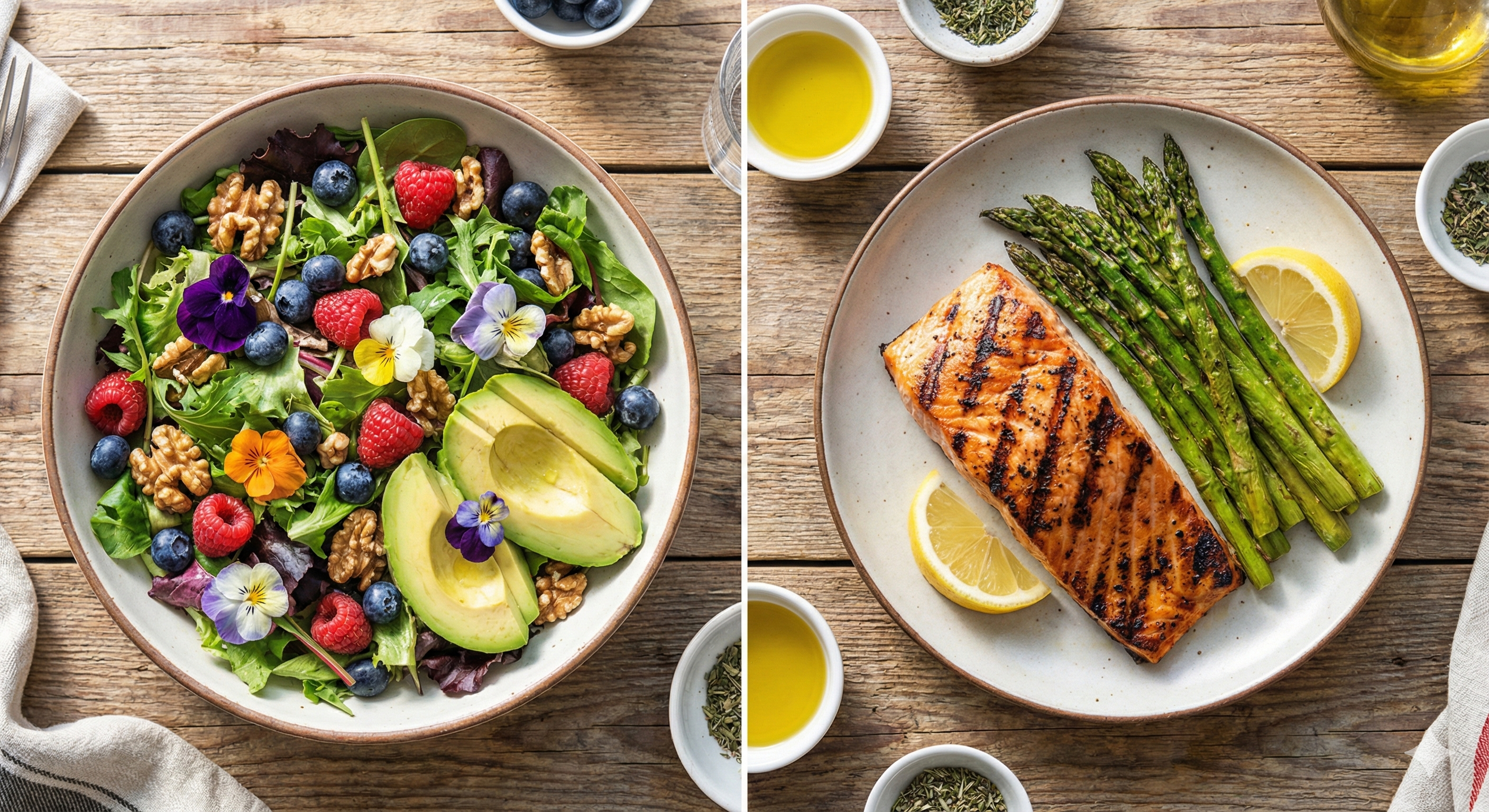
In the crowded world of wellness, where new diets emerge with the promise of transforming your health, two titans have long stood apart: Paleo and Vegan. One champions nutrient-dense animal protein and shuns grains and legumes, while the other builds a world entirely from plants. They seem like polar opposites. Yet, from this dietary dichotomy, a new philosophy has emerged, aiming to capture the best of both worlds: the Pegan diet.
But as with any idealized health plan, the glossy photos and glowing testimonials often hide a messier truth. The real question isn’t just “What is the Pegan diet?” but “Can a normal person actually stick with it?” This isn’t just another guide to the rules. We’re diving deep into the day-to-day friction of the Pegan lifestyle—the cost, the cravings, the social hurdles—to help you understand if it’s a truly sustainable path for a resilient human, not a perfect health robot.
What Exactly is the Pegan Diet? The Core Principles
Coined by Dr. Mark Hyman, the Pegan (Paleo + Vegan) diet is less a rigid set of rules and more a nutrient-focused philosophy. It cherry-picks principles from both diets, centering on one core idea: eat real, whole foods that reduce inflammation and support stable blood sugar. Here’s how it breaks down.
The Foundation: 75% Plants
The vast majority of your plate should be a vibrant, colorful collection of plants. The Pegan diet emphasizes a high intake of non-starchy vegetables and low-glycemic fruits. Think of a rainbow: deep green spinach, bright red bell peppers, rich purple eggplant, and orange sweet potatoes. This isn’t just for looks; this variety ensures a wide spectrum of vitamins, minerals, and disease-fighting phytonutrients.
- Why it matters: A plant-heavy diet is rich in fiber, which is crucial for a healthy gut microbiome, smooth digestion, and feeling full. This approach provides the antioxidant and anti-inflammatory benefits that form the cornerstone of the vegan lifestyle. Yoga for Digestion: Poses to Enhance Gut Health and Ease Discomfort
The Protein Question: Quality Over Quantity
This is where the Paleo influence comes in. The remaining 25% of your plate is dedicated to high-quality protein. The Pegan diet is not a high-protein diet; it’s a smart-protein diet. This means thinking of meat and animal products as a “condiment” rather than the main event.
- Animal Protein: When consumed, it should be of the highest quality possible. This includes 100% grass-fed beef, pasture-raised poultry, and low-mercury, wild-caught fatty fish like salmon and sardines.
- Plant Protein: Nuts and seeds are celebrated as excellent sources of protein and healthy fats. However, in a major departure from veganism, most beans and legumes are limited due to their potential to spike blood sugar and cause digestive issues in some individuals.
As noted by the Cleveland Clinic, the emphasis on omega-3 fatty acids from sources like salmon and walnuts is a key strategy for supporting long-term cardiovascular health.
What’s In and What’s Out: A Quick Guide
Navigating the Pegan diet is about understanding the simple guidelines for what to embrace and what to avoid.
- Foods to Eat Freely: Non-starchy vegetables, low-glycemic fruits (like berries), nuts, seeds, avocados, olive oil, and high-quality animal proteins in small portions.
- Foods to Avoid or Limit: Dairy, gluten, most grains, beans and legumes (with some exceptions like lentils in small amounts), and all forms of refined sugar and processed foods.
The Potential Health Benefits: Why People are Buzzing
The Pegan diet’s popularity stems from its potential to address several key health concerns by focusing on nutrient density and reducing inflammation.
Supporting Cardiovascular Health
By eliminating processed foods, refined sugars, and unhealthy fats while prioritizing plant foods, omega-3s, and healthy fats from nuts and olive oil, the Pegan diet aligns perfectly with recommendations from the American Heart Association for a heart-healthy lifestyle. A 2021 study published in the Journal of the American College of Cardiology emphasized that plant-centric diets are strongly associated with a lower risk of cardiovascular disease.
A Tool for Weight Management and Blood Sugar Control
For individuals struggling with weight management or navigating conditions like Type 2 Diabetes, the Pegan diet offers a powerful framework. By cutting out high-glycemic foods (sugar, refined grains) and focusing on fiber, healthy fats, and protein, it helps prevent the dramatic blood sugar spikes and crashes that drive cravings and fat storage. This low-glycemic approach can improve insulin sensitivity over time.
Reducing Inflammation and Supporting Digestive Health
Chronic inflammation is a root cause of many modern diseases, from rheumatoid arthritis to heart disease. The Pegan diet is inherently anti-inflammatory, flooding the body with antioxidants from plants and omega-3s while removing common inflammatory triggers like dairy, sugar, and gluten. This can lead to reduced joint pain, clearer skin, and improved digestive function for many people.
The “Day-to-Day Friction”: Is the Pegan Diet Truly Sustainable?
Here is the reality check. The principles of the Pegan diet are sound, but living them out in the real world presents challenges. Acknowledging this friction is the first step toward creating a truly sustainable practice.
The Practical Hurdles: Cost, Time, and Social Life
Let’s be honest: the ideal Pegan shopping cart can be expensive. Grass-fed beef, wild-caught salmon, and mountains of fresh, organic produce come with a higher price tag. Furthermore, the diet requires a significant commitment to cooking from scratch, as processed and convenience foods are off-limits. This means more time spent on meal planning and preparation.
Social situations can also be tricky. Navigating restaurant menus, dinner parties, and family holidays requires planning and communication. It can feel isolating to be the person with complex dietary restrictions.
Tactical Tips:
- Budget: Buy frozen fruits and vegetables, look for sales on quality meats to freeze, and focus on seasonal produce.
- Time: Dedicate a few hours on the weekend to “batch cook” proteins, chop veggies, and make dressings for the week ahead.
- Social: Look at menus online before you go, offer to bring a Pegan-friendly dish to gatherings, and remember that focusing on the company is more important than having a “perfect” plate.
From “Perfect Patient” to “Resilient Human”: Handling Setbacks
This is the most important part. You will have a day where you eat a piece of pizza or a slice of birthday cake. In traditional diet culture, this is seen as failure, a reason to feel guilty and give up. The “resilient human” approach reframes this completely.
A dietary detour is not a moral failing; it’s a normal part of life. The goal isn’t 100% perfection. The goal is consistency over time. When a setback happens, don’t spiral. Instead, follow this simple process:
- Acknowledge Without Judgment: You ate something off-plan. Acknowledge it, enjoy the memory, and let go of any guilt.
- Rehydrate and Reset: Drink a glass of water. For your next meal, simply return to the Pegan principles—a plate full of colorful veggies and some quality protein.
- Move On: Don’t try to “punish” yourself with exercise or by skipping the next meal. Just get right back on track. This builds resilience and a healthier relationship with food. Best Vegan Cheese-A Dairy-Free Delights
Getting Started with the Pegan Diet: An Actionable Plan
Ready to give it a try? Start small. You don’t have to overhaul your entire life overnight. Try adopting the principles for one meal a day or for a few days a week.
Your First Three Days: A Sample Meal Plan
- Day 1:
Breakfast: Smoothie with spinach, mixed berries, almond butter, and chia seeds.
Lunch: Large salad with grilled chicken, mixed greens, cucumber, bell peppers, avocado, and an olive oil vinaigrette.
Dinner: Baked salmon with roasted broccoli and a side of sweet potato. - Day 2:
Breakfast: Scrambled eggs with sautéed mushrooms and avocado.
Lunch: Leftover salmon and roasted broccoli.
Dinner: Grass-fed beef and vegetable stir-fry using coconut aminos instead of soy sauce. - Day 3:
Breakfast: Chia seed pudding (made with almond milk) topped with berries and walnuts.
Lunch: Leftover stir-fry.
Dinner: Turkey meatballs (made with almond flour) in a tomato sauce over zucchini noodles.
Stocking Your Pegan Pantry
Set yourself up for success by having these staples on hand: high-quality olive oil, coconut oil, a variety of nuts and seeds, almond flour, apple cider vinegar, lots of spices and herbs, canned wild-caught salmon or sardines, and coconut aminos.
The Final Verdict: Who is the Pegan Diet Best For?
The Pegan diet is a powerful, nutrient-dense, whole-foods approach to eating. It can be an excellent framework for anyone looking to reduce inflammation, improve their metabolic health, and focus on real food. Its emphasis on both plant and animal foods makes it less restrictive than either pure Paleo or Veganism.
However, its sustainability is deeply personal. It depends on your budget, your schedule, and most importantly, your mindset. If you view it as a rigid set of rules, it’s likely to fail. But if you see it as a flexible template for prioritizing whole foods—while giving yourself the grace to be human—it can be an incredibly effective and enjoyable way to nourish your body for the long term. Before making any significant dietary changes, it’s always best to consult with a registered dietitian or your healthcare provider to ensure it’s the right choice for your individual needs.