
The Truth About Seed Oils: A Guilt-Free Guide for Real Life
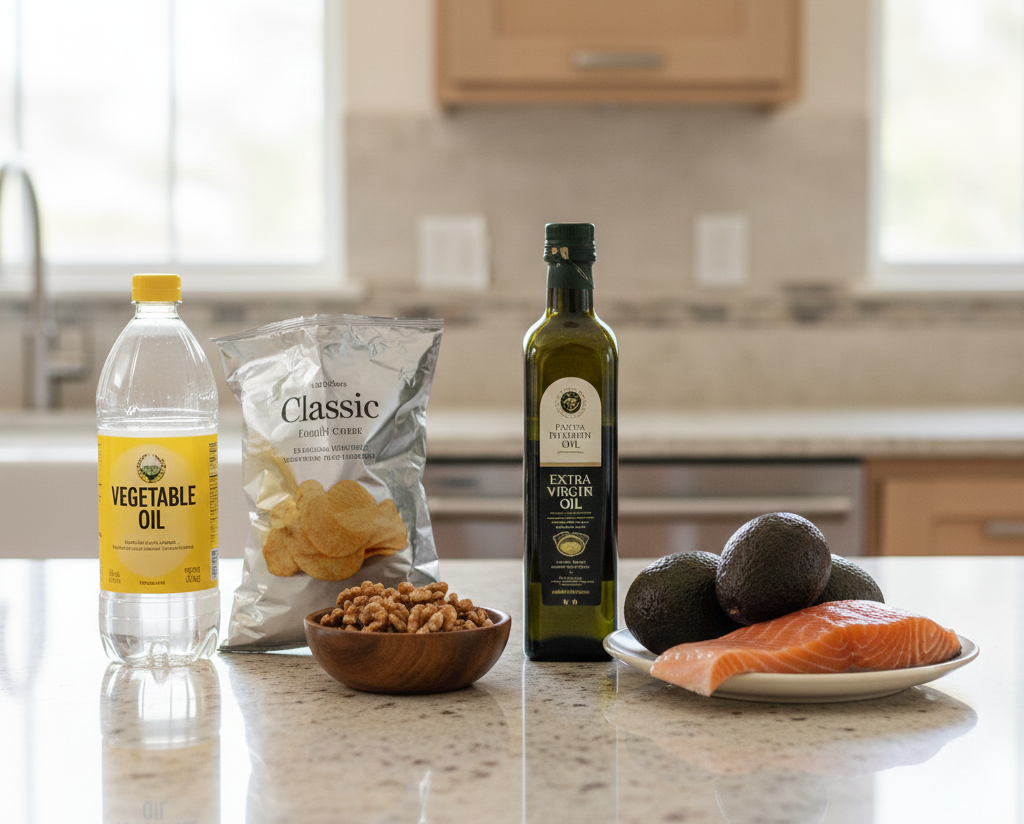
The Truth About Seed Oils: A Guilt-Free Guide for Real Life
Scroll through social media, and you’ll find two warring camps. In one, seed oils are the villain behind everything from acne to heart disease. In the other, they’re a harmless, scientifically-vetted part of the modern diet. This black-and-white thinking creates a fragile, “perfect-world” nutrition plan. It tells you that one bite of a restaurant-cooked french fry or a single store-bought salad dressing will derail your entire health journey. But what happens when that perfect plan collides with reality—at an office party, an airport, or a friend’s dinner table? The result is often guilt, confusion, and the feeling that you’ve failed.
This is where we go a different way. While others offer rigid rules that are bound to be broken, we’re here to deliver a Nutritional Resilience Framework. This is not about achieving dietary perfection. It’s about learning how to make the best possible decision in any situation, and more importantly, how to move on from a less-than-ideal choice without guilt. Forget fear-mongering. It’s time to arm yourself with facts and a flexible strategy to navigate the real world with confidence.
What Exactly Are ‘Seed Oils’? A Quick Primer
Before we dive into the debate, let’s establish what we’re talking about. The term “seed oils” typically refers to vegetable oils extracted from the seeds of plants. They are also often called “industrial seed oils” by critics due to their modern production methods.
Common examples you’ll find on ingredient labels include:
- Soybean oil
- Corn oil
- Canola (rapeseed) oil
- Sunflower oil
- Safflower oil
- Grapeseed oil
- Cottonseed oil
These oils are prevalent in the modern food supply, found in everything from salad dressings and baked goods to fried foods and processed snacks. Their widespread use is due to their neutral flavor, high smoke point, and low cost.
The Core of the Controversy: Understanding the Arguments
The debate around seed oils is complex, with passionate arguments on both sides. To build resilience, you first need to understand the landscape. Here’s a breakdown of the primary concerns and the scientific counterpoints.
The Case Against Seed Oils: The Fear Factor
Critics of seed oils primarily focus on three areas:
- High Omega-6 Content: Seed oils are rich in an omega-6 polyunsaturated fatty acid called linoleic acid. The theory is that human diets have shifted dramatically to a much higher ratio of omega-6 to omega-3 fatty acids. This imbalance, critics argue, promotes chronic inflammation, which is a root cause of many modern diseases.
- Industrial Processing: Unlike traditional fats like butter or extra virgin olive oil, most seed oils undergo a multi-step process of extraction using chemical solvents (like hexane), high heat, and deodorizers. This harsh processing, it’s claimed, can create unstable, oxidized fats that are damaging to the body.
- Prevalence in Unhealthy Foods: Seed oils are a cornerstone of the ultra-processed food industry. They are the primary fat used for deep-frying chips, coating breakfast cereals, and making shelf-stable cookies. Therefore, high seed oil consumption is often a marker of a poor overall diet.
Separating Fact from Fear: The Scientific Consensus
While the concerns sound alarming, the broader body of scientific evidence paints a more nuanced picture.
- Cardiovascular Health: Many large-scale, long-term observational studies and randomized controlled trials have shown that replacing saturated fats (from sources like butter and red meat) with polyunsaturated fats (from sources like seed oils) is associated with a lower risk of cardiovascular disease. The American Heart Association continues to support this position based on the weight of the evidence.
- Inflammation Nuance: The idea that omega-6 is purely pro-inflammatory is an oversimplification. The body converts linoleic acid into other compounds, some of which have anti-inflammatory effects. The context of the entire diet—especially the presence of anti-inflammatory omega-3s—matters far more than the absolute intake of omega-6.
- Processing vs. Product: While the processing methods are industrial, regulatory bodies have standards to ensure the final product is safe for consumption. The bigger issue isn’t the oil itself, but the company it keeps. An oil used to deep-fry a donut has a different health impact than the same type of oil used in a homemade vinaigrette for a nutrient-dense salad.
Your Nutritional Resilience Framework for Seed Oils
The goal isn’t to live in a world without seed oils—that’s nearly impossible and creates unnecessary stress. The goal is to minimize your exposure where it matters most and build a dietary pattern that is resilient to the occasional, unavoidable encounter. Here’s how.
Principle 1: Master Your Home Kitchen
The single most effective way to manage your seed oil intake is to cook at home. You have 100% control over the ingredients. Stock your pantry with fats and oils that are less processed and offer a better fatty acid profile.
- For high-heat cooking (searing, roasting): Avocado oil, ghee (clarified butter), or even light olive oil.
- For low-heat cooking and dressings: Extra virgin olive oil is the gold standard.
- For baking: Butter, coconut oil, or even avocado oil can work well.
Principle 2: Navigate Eating Out with a “Good, Better, Best” Mindset
A rigid “never eat seed oils” rule makes dining out a nightmare. Instead, use a flexible hierarchy.
- Best: Choose grilled, steamed, baked, or poached dishes. These preparations typically use far less added oil. Ask for sauces and dressings on the side.
- Better: If a dish is pan-fried or sautéed, it will likely be cooked in a seed oil blend. This is a reasonable compromise in a balanced diet.
- Good (aka The “Least Bad”): Deep-fried foods will be cooked in industrial seed oils. If you choose to have them, enjoy them mindfully and see them for what they are: an occasional indulgence, not a nutritional catastrophe.
Principle 3: Focus on What to ADD, Not Just What to Remove
Obsessing over removing every drop of omega-6 is exhausting. A more powerful and positive strategy is to focus on increasing your intake of anti-inflammatory omega-3s. This helps to naturally improve your omega-6 to omega-3 ratio.
Prioritize adding these foods to your diet:
- Fatty fish: Salmon, mackerel, sardines, and anchovies.
- Plant sources: Flaxseeds, chia seeds, and walnuts.
The Rise of the Pegan Diet: A Realistic Guide to This Paleo-Vegan Hybrid By actively including these, you build a buffer that makes the occasional seed oil exposure far less significant.
Principle 4: Ditch the Guilt and Understand Dosing
Your health is determined by your overall dietary pattern over months and years, not by a single meal. Did you have fries with friends last night? Great. Today, you get back to your routine of whole, nutrient-dense foods. That one meal does not define you or your health. The stress and guilt from obsessing over it are likely more harmful than the oil itself. Think of it like this: your body can handle occasional stressors. The problem arises when the stressor becomes chronic.
Real-World Scenarios: Putting Resilience into Practice
Let’s see how this framework applies to messy, real-life situations.
- The Airport Layover: Your flight is delayed and your options are a Cinnabon, a fried chicken sandwich, or a pre-packaged salad with a canola oil-based dressing. The resilience framework says the salad is the “best” option. You’re getting nutrients from the vegetables, and the dressing is a minor component. You eat, you fuel your body, and you move on.
- The Office Pizza Party: Free pizza is in the breakroom. The rigid mindset says, “I can’t eat that.” The resilient mindset says, “I’ll have a slice or two, maybe grab the side salad if there is one, and enjoy lunch with my colleagues.” You participate, you enjoy, and you don’t let it derail you.
- Dinner at a Friend’s House: Your host proudly serves a dish they cooked with corn oil. Do you refuse to eat? Of course not. You eat the meal with gratitude, enjoy the social connection—which is also vital for health—and trust that your body and your regular healthy habits can handle it.
Stress Reduction Techniques for a Healthy Heart: Your Ultimate Guide
Conclusion: From Fragile Rules to Resilient Health
The online world wants you to pick a side. It wants you to live in fear of certain foods and feel guilty when you can’t be perfect. But that’s a fragile way to live. True, long-term health isn’t built on perfection; it’s built on resilience. It’s about understanding the big picture, focusing on a foundation of whole foods you cook yourself, and having the grace to navigate the imperfect moments without spiraling.
So, the truth about seed oils? They are not a superfood, nor are they the poison they’re made out to be. They are a component of the modern food environment that you can learn to navigate with intelligence and calm. Your body is a robust system. Trust it. Fuel it well most of the time, and give yourself the freedom to live your life—guilt-free.