
Puppy Yoga: Cute Trend or Ethical Minefield? Navigating the Path to Responsible Paws-tivity
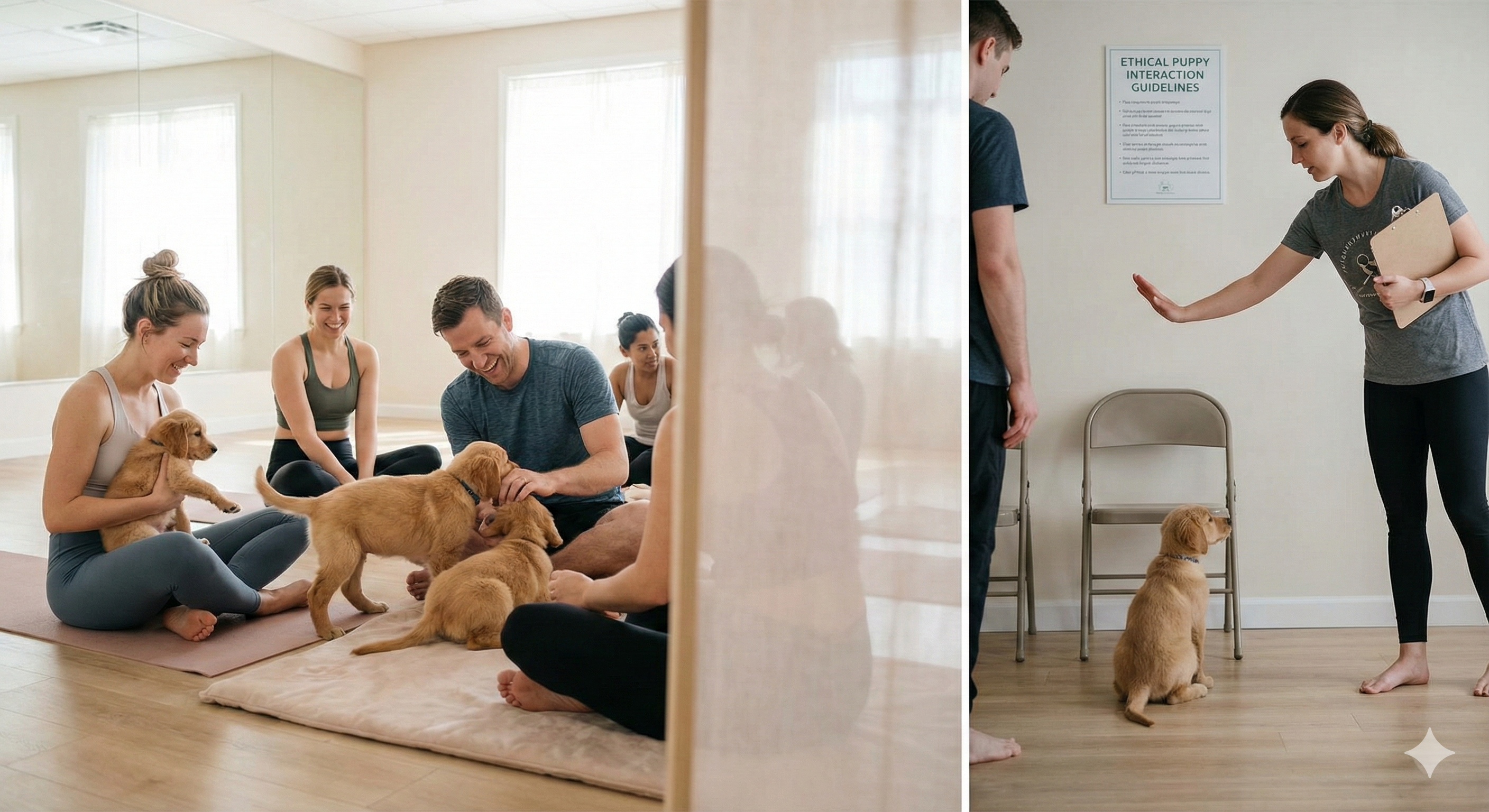 In the vibrant world of wellness trends, few have captured hearts and Instagram feeds quite like puppy yoga. The allure is undeniable: adorable, fuzzy puppies frolicking amidst mindful stretches, promising a potent cocktail of stress relief and pure joy. But beyond the picture-perfect moments, a crucial question emerges: is puppy yoga a harmless, heartwarming trend, or does it risk becoming an animal welfare nightmare? At lifestylecart.com, we believe true wellness extends to all living beings. This article moves beyond simply debating “good or bad” to equip you with the battle-tested strategies and empathetic insights needed to navigate the inevitable challenges and ensure every “downward dog” is truly ethical and sustainable.
The Irresistible Allure of Puppy Yoga: More Than Just a Cute Trend
There’s a reason puppy yoga has exploded in popularity. The blend of gentle exercise and direct interaction with young animals taps into something deeply human. For many, it’s an accessible gateway to mindfulness, providing a much-needed break from the daily grind.
The Benefits for Humans: A Dose of Joy and Calm
- Stress Reduction: Studies consistently show that interacting with animals can lower cortisol levels, reduce blood pressure, and alleviate anxiety. Puppies, with their playful innocence, are particularly effective stress-busters.
- Mood Boost: The release of oxytocin, often called the “love hormone,” during animal interaction promotes feelings of happiness and well-being.
- Enhanced Social Connection: Puppy yoga often fosters a sense of community among participants, united by their shared love for animals and wellness.
- Mindfulness in Motion: The unpredictable nature of puppies encourages participants to stay present, adapting their practice to the lively energy around them.
Yet, for all its potential benefits for humans, the focus must always return to the most vulnerable participants: the puppies themselves. Their welfare should not be an afterthought, but the bedrock of any responsible puppy yoga program.
Unmasking the Ethical Minefield: Where Cute Meets Concern
The “animal welfare nightmare” potential arises when profit or novelty overshadows the delicate needs of young, developing animals. Understanding these potential pitfalls is the first step towards preventing them.
The Stressors for Puppies: Beyond the Playful Façade
While some puppies may genuinely enjoy interaction, others can find it overwhelming. Too much handling, loud noises, unfamiliar environments, or being separated from littermates for too long can induce significant stress. Puppies have specific needs for sleep, quiet time, and controlled socialisation. An uncontrolled environment can lead to:
- Overstimulation: Constant noise, touch, and new faces can be exhausting and frightening for a developing puppy.
- Risk of Injury: While rare, puppies could be accidentally stepped on or dropped if participants are not fully aware and careful.
- Hygiene and Health Concerns: Puppies are susceptible to illness, and a poorly managed environment could pose risks to both animals and humans. Ensure the facility is clean and all puppies are vaccinated.
Responsible Sourcing & Breeder Ethics: Tracing the Paws’ Origin
Perhaps the most critical ethical concern is *where* the puppies come from. Reputable organizations should partner exclusively with ethical breeders or, ideally, local animal shelters and rescues. This ensures the puppies are:
- Not exploited: Avoiding puppy mills or backyard breeders where animals are bred solely for profit with little regard for welfare.
- Healthy and Vaccinated: Coming from environments where their health is prioritized.
- Appropriately Aged: Typically, puppies should be at least 8 weeks old to participate, ensuring they’ve had adequate time with their mother and litter for crucial early development.
Partnering with shelters offers a “win-win”: puppies get crucial socialization, potential adopters meet them in a relaxed setting, and the shelter gains exposure and donations. This aligns perfectly with lifestylecart.com’s commitment to compassionate living.
The Risk of Over-Socialization or Under-Socialization: A Fine Balance
Socialization is vital for puppies, but it must be done correctly. Too much chaotic interaction can be just as detrimental as too little. Puppies need positive, controlled exposures to various sights, sounds, and people. A well-run puppy yoga class should be part of a broader, well-structured socialization plan, not the sole component. It’s about quality interactions, not just quantity.
Navigating the Real-World Challenges: Beyond the Cute Photos
True responsible puppy yoga isn’t just about good intentions; it’s about anticipating and managing the inevitable “messy reality” that generic advice often ignores. This is where our unique strategic angle shines, moving beyond aspirational ideals to practical, battle-tested solutions.
Setting Realistic Expectations: For Participants and Organizers
Attendees might envision a serene yoga session with a puppy nestled on their mat. The reality can be delightful chaos! Puppies will play, pee, bark, and chew. Understanding this beforehand prevents disappointment and ensures a more enjoyable, adaptable experience for everyone.
- For Participants: Embrace the unpredictability. Your yoga flow might be interrupted, and that’s okay. Focus on the joy of interaction and the unique mindfulness it brings.
- For Organizers: Clearly communicate the dynamic nature of the class in advance. Provide guidelines on interacting with puppies and what to expect regarding puppy behavior.
The Organizer’s Battle-Tested Checklist: Ensuring Puppy-First Events
Beyond sourcing, organizers face practical hurdles. Here’s a checklist for sustainable, ethical events:
- Space & Safety: A clean, puppy-proofed environment with designated quiet zones where puppies can retreat if overwhelmed. Non-toxic cleaning products are essential.
- Staffing: Sufficient, experienced staff (ideally with animal handling experience) to supervise puppies, manage interactions, and ensure safety. A ratio of at least one staff member per 2-3 puppies is advisable.
- Breaks & Rest: Scheduled rest periods for puppies are non-negotiable. Sessions should be limited in duration (e.g., 45-60 minutes), with ample time for puppies to eat, drink, and sleep before and after.
- Hydration & Potty Breaks: Constant access to fresh water and frequent potty breaks in a designated, easily cleaned area. Accidents will happen; be prepared with enzyme cleaners.
- Limited Puppy Numbers: Avoid overcrowding. A smaller number of puppies allows for better individual attention and less stress.
- Veterinary Oversight: Partner with a local vet for health checks and advice, ensuring all puppies are healthy, vaccinated, and dewormed.
Troubleshooting Unforeseen Puppy Behavior: When the How-To Fails
Even with the best planning, puppies are individuals. What if a puppy is excessively shy, overly rambunctious, or shows signs of stress? Generic advice often falls short here.
- For the Shy Puppy: Do not force interaction. Provide a safe space. Allow the puppy to approach on its own terms. Staff should gently redirect participants from overly persistent attempts to interact.
- For the Overly Rambunctious Puppy: Staff should calmly and gently redirect their energy, perhaps to a designated play area with a toy, or remove them for a brief cool-down period. This isn’t punishment but management.
- Recognizing Stress Signals: Learn to identify signs like excessive yawning, lip licking, tail tucking, trembling, or persistent attempts to hide. If observed, the puppy needs immediate removal to a quiet, safe space.
Our article empowers you to not just understand ideal scenarios, but to *adapt, troubleshoot, and sustainably master* the topic amidst real-life chaos.
Empowering Sustainable & Ethical Practices: Be Part of the Solution
As enthusiasts or organizers, we have the power to shape the future of puppy yoga. By choosing responsibly and advocating for best practices, we ensure it remains a joyful, ethical experience.
Questions to Ask Before You Book a Puppy Yoga Class
Don’t just sign up – inquire!
- Where do the puppies come from? (Look for shelter/rescue partnerships or reputable breeders).
- What are the puppy-to-human and puppy-to-staff ratios?
- What are the puppies’ ages and vaccination status?
- Are there designated quiet areas and scheduled rest breaks for the puppies?
- What is the duration of the class, and how often do puppies participate?
- What are the hygiene protocols?
How to Advocate for Puppies: Your Role in Ethical Wellness
Your involvement doesn’t end when class does. Spread awareness, share your knowledge, and support organizations that prioritize animal welfare. If you observe practices that concern you, politely voice your observations to the organizers or, if necessary, to local animal welfare authorities. Your voice can drive positive change.
Conclusion: Mastering the Art of Responsible Puppy Yoga
Puppy yoga, at its best, is a beautiful fusion of wellness and animal interaction, bringing immense joy to humans while offering valuable socialization to puppies, particularly those from shelters. However, it requires vigilance, foresight, and a deep commitment to animal welfare.
We’ve moved beyond the superficial ‘cute trend vs. nightmare’ debate to arm you with the practical resilience and battle-tested strategies to not just *understand* the complexities, but to *adapt, troubleshoot, and sustainably master* this unique wellness experience. By asking the right questions, supporting ethical organizers, and prioritizing the well-being of our furry friends, we can ensure puppy yoga remains a source of happiness and health for all involved – a truly paws-itive contribution to the lifestylecart.com community.