
Biophilic Design: Why Plants Make You Happier & Smarter (Science-Backed ROI)
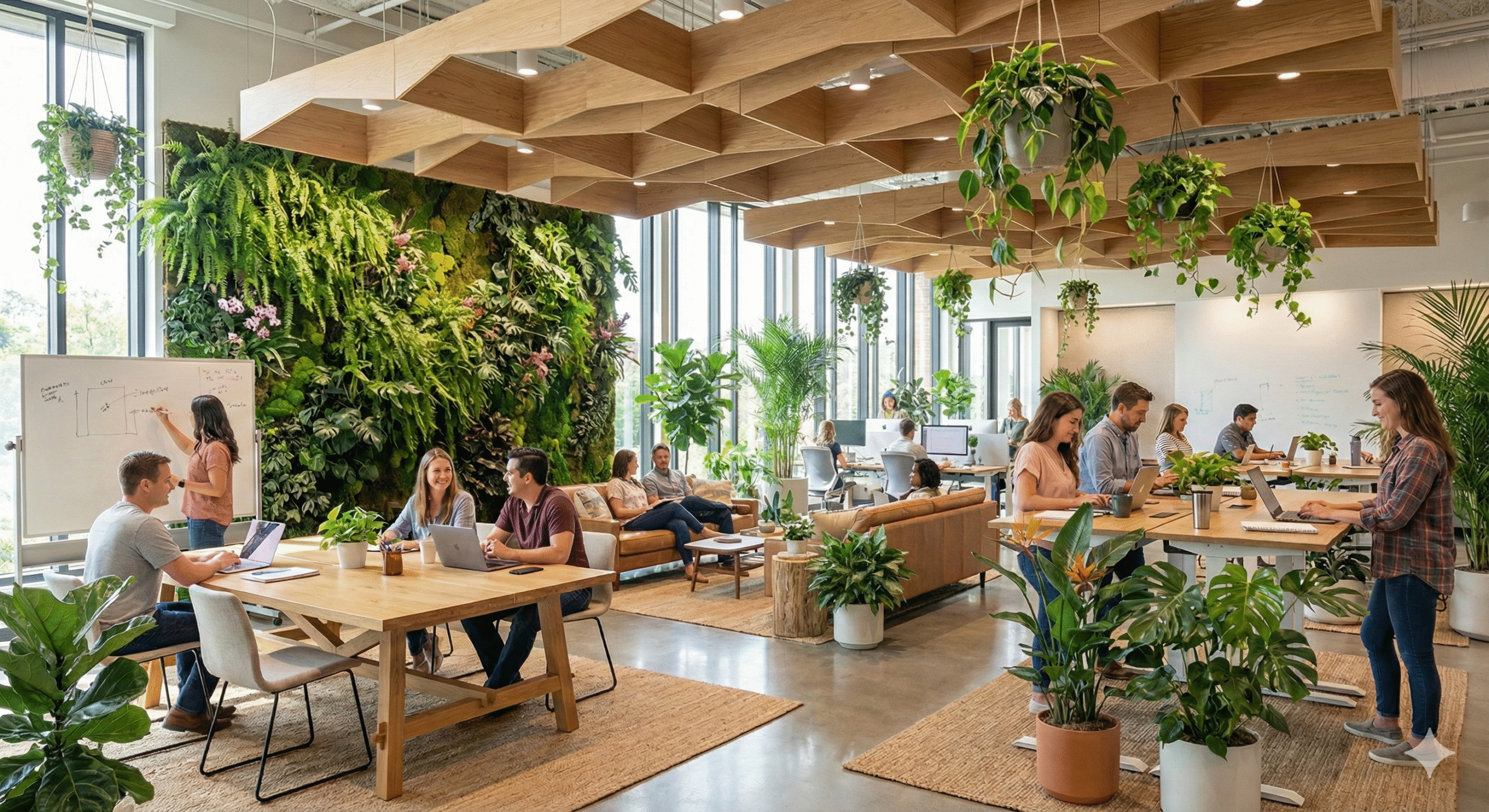
Biophilic Design Benefits
In our increasingly urbanized world, the innate human connection to nature, known as biophilia, is more vital than ever. Biophilic design isn’t just a trend; it’s a fundamental shift in how we create spaces, weaving natural elements into our built environments to enhance well-being, productivity, and overall happiness. At lifestylecart.com, we understand that you’re not just looking for pretty plants; you’re seeking tangible benefits, measurable improvements, and smart, sustainable investments. This definitive guide goes beyond definitions, offering data-backed strategies and expert solutions for real-world implementation, helping you overcome common budget, space, and maintenance challenges while quantifying the measurable ROI of biophilic interventions.
What is Biophilic Design? Reconnecting with Nature’s Wisdom
Coined by Harvard naturalist E.O. Wilson, “biophilia” describes our inherent human tendency to connect with nature and other living systems. Biophilic design translates this innate connection into architectural and interior design. It’s about more than just adding a potted plant; it’s a holistic approach that integrates natural light, organic forms, natural materials, and direct or indirect experiences of nature into our daily lives.
The 14 Patterns of Biophilic Design: A Framework for Flourishing Spaces
The globally recognized framework developed by Terrapin Bright Green outlines 14 patterns that guide biophilic design. These patterns fall into three categories:
- Nature in the Space: Direct experiences of nature, like visual connections to plants, natural light, fresh air, and water features.
- Natural Analogues: Indirect experiences, such as natural materials (wood, stone), organic forms, biomimicry, and nature-inspired artwork.
- Nature of the Space: Spatial relationships like prospect (an unimpeded view), refuge (a place to withdraw), and mystery (the promise of more information).
Understanding these patterns is crucial for moving beyond superficial greening to truly transformative design that impacts our physical and mental health.
The Science Behind the Happiness: Why Biophilia Works
The benefits of biophilic design are not merely anecdotal; they are backed by a robust body of scientific research spanning environmental psychology, neuroscience, and urban planning. Integrating nature into our spaces actively changes our brain chemistry, reduces stress hormones, and boosts cognitive function.
Quantifiable Benefits: Health, Mood, and Productivity
- Stress Reduction: Studies published in the Journal of Environmental Psychology consistently show that exposure to natural elements significantly lowers cortisol levels, blood pressure, and heart rate. A biophilic office can reduce stress by up to 15%.
- Improved Cognitive Performance: Research by the University of Oregon highlights how views of nature and natural light can enhance attention, focus, and memory, leading to an 8% increase in productivity in workplaces according to a Human Spaces report.
- Enhanced Well-being: Biophilic spaces foster a greater sense of well-being, reducing negative moods by 13% and increasing feelings of happiness and contentment. Patients in healthcare settings with nature views often experience faster recovery times and require less pain medication.
- Better Air Quality: Living walls and plants naturally filter indoor air, removing toxins and increasing oxygen levels, contributing to a healthier indoor environment and reducing “sick building syndrome” symptoms.
- Creativity Boost: Natural environments are known to stimulate divergent thinking, meaning biophilic design can foster innovation and creative problem-solving.
These scientific findings underscore biophilic design as a powerful tool for creating spaces that don’t just exist but actively contribute to human flourishing.
Real-World Biophilic Implementation: Solutions for Every Space
Implementing biophilic design means thoughtfully selecting elements that align with your space’s specific needs and the desired outcomes. Whether it’s a bustling commercial hub or a peaceful residential retreat, there are tailored solutions.
Residential Biophilic Design: Creating Your Oasis
For homes, biophilic design focuses on tranquility, comfort, and personalized connection. This can include maximizing natural light with large windows, incorporating natural wood flooring or accent walls, adding indoor plants, and creating a “refuge” area with cozy seating and a view of greenery. Even small apartments can benefit from a moss wall art piece or carefully placed planters. The goal is to create a living space that supports rest, rejuvenation, and family connection.
Commercial Biophilic Design: The Power of Workplace Wellness
In commercial environments – from offices and retail to hospitality and education – biophilic design is directly linked. Beyond employee well-being, it can attract and retain talent, enhance brand perception, and even boost sales in retail settings. Consider:
- Biophilic Acoustic Solutions: Noise can be a major stressor. Products like acoustic ceiling panels biophilic designs (e.g., felt panels in organic patterns) and acoustic wall panels biophilic made from sustainable, natural fibers not only absorb sound but also mimic natural textures and forms.
- Living Walls & Moss Walls: These dynamic plant walls are show-stopping features that provide significant air purification, humidity regulation, and a direct visual connection to nature. Moss walls require minimal maintenance and offer vibrant, textural artistry.
- Natural Materials & Textures: Incorporate reclaimed wood, natural stone, wool, cotton, and linen. For interior surfacing, innovative products like OpenSpan Panels and Tambour Panels in natural wood finishes or recycled materials bring warmth and texture, often with inherent acoustic benefits.
- Natural Light & Views: Prioritize access to daylight and views of exterior nature. Where direct views aren’t possible, introduce high-quality botanical prints or strategically placed mirrors to reflect outdoor scenes.
Biophilic Design Services & Solutions
Effective biophilic design often requires professional expertise. Lifestylecart.com connects you with comprehensive services, from initial design consultation and conceptualization to full-scale installation. This includes:
- Expert Biophilic Interior Design: Specialists who understand the 14 Patterns and how to apply them strategically.
- Living Wall and Moss Wall Installation: Professional teams handle everything from structural assessment to plant selection and irrigation systems.
- Horticultural Services: Ongoing plant care, maintenance, and seasonal rotation to ensure your biophilic elements thrive.
- Custom Millwork & Specialty Fabrication: Creating bespoke nature-inspired design elements, from reception desks with integrated planters to custom Tambour Panels.
Overcoming Challenges and Quantifying Your ROI
A common misconception is that biophilic design is expensive or difficult to maintain. However, with strategic planning, these challenges are easily overcome, and the return on investment can be substantial.
Addressing Common Challenges:
- Budget Constraints: Start small. Even a few well-placed plants, natural material accents, or improving natural light access can make a significant impact. Prioritize high-impact areas.
- Space Limitations: Vertical solutions like plant walls and moss wall art are excellent for maximizing greenery in compact areas. Biophilic design elements can also be integrated into furniture or partitions.
- Maintenance Concerns: Choose low-maintenance plants, integrate automated irrigation systems for living walls, or opt for preserved moss, which requires virtually no upkeep. Professional horticultural services offer hassle-free maintenance.
The Measurable ROI of Biophilic Interventions:
When you invest in biophilic design, you’re investing in people. The ROI manifests in several key areas:
- Reduced Absenteeism: Healthier, happier employees mean fewer sick days. Companies implementing biophilic design report reductions in absenteeism.
- Increased Productivity & Engagement: The boosts in cognitive function and well-being translate directly to more focused and engaged workforces, improving output.
- Higher Property Values & Occupancy Rates: Biophilic buildings are increasingly sought after, commanding higher rents and selling prices, and attracting tenants faster.
- Improved Brand Image: Demonstrating a commitment to well-being and sustainability enhances corporate social responsibility and appeal to customers and employees alike.
- Energy Savings: Strategic use of natural light and living walls can reduce heating and cooling costs.
Embrace Biophilic Design for a Brighter Future
Biophilic design is more than an aesthetic choice; it’s a strategic imperative for creating environments that foster human health, happiness, and productivity. By understanding the science, embracing real-world implementation strategies, and leveraging expert solutions, you can transform your spaces into vibrant ecosystems that benefit everyone. Don’t just decorate; cultivate well-being and watch your investment grow. Visit lifestylecart.com today to explore our comprehensive biophilic design solutions and start your journey towards a happier, healthier environment.