
STOP Eating Boring Plant Proteins: Why Maui-Made Tempeh is Your Gut’s New BEST Friend
Tempeh is a traditional Indonesian fermented food, typically made from whole soybeans, that transforms into a firm, nutrient-dense cake through a controlled natural culturing process. Unlike tofu, Tempeh retains the whole bean, offering superior fiber, protein, and a unique probiotic punch for unparalleled gut health, especially when it’s Maui-Made.
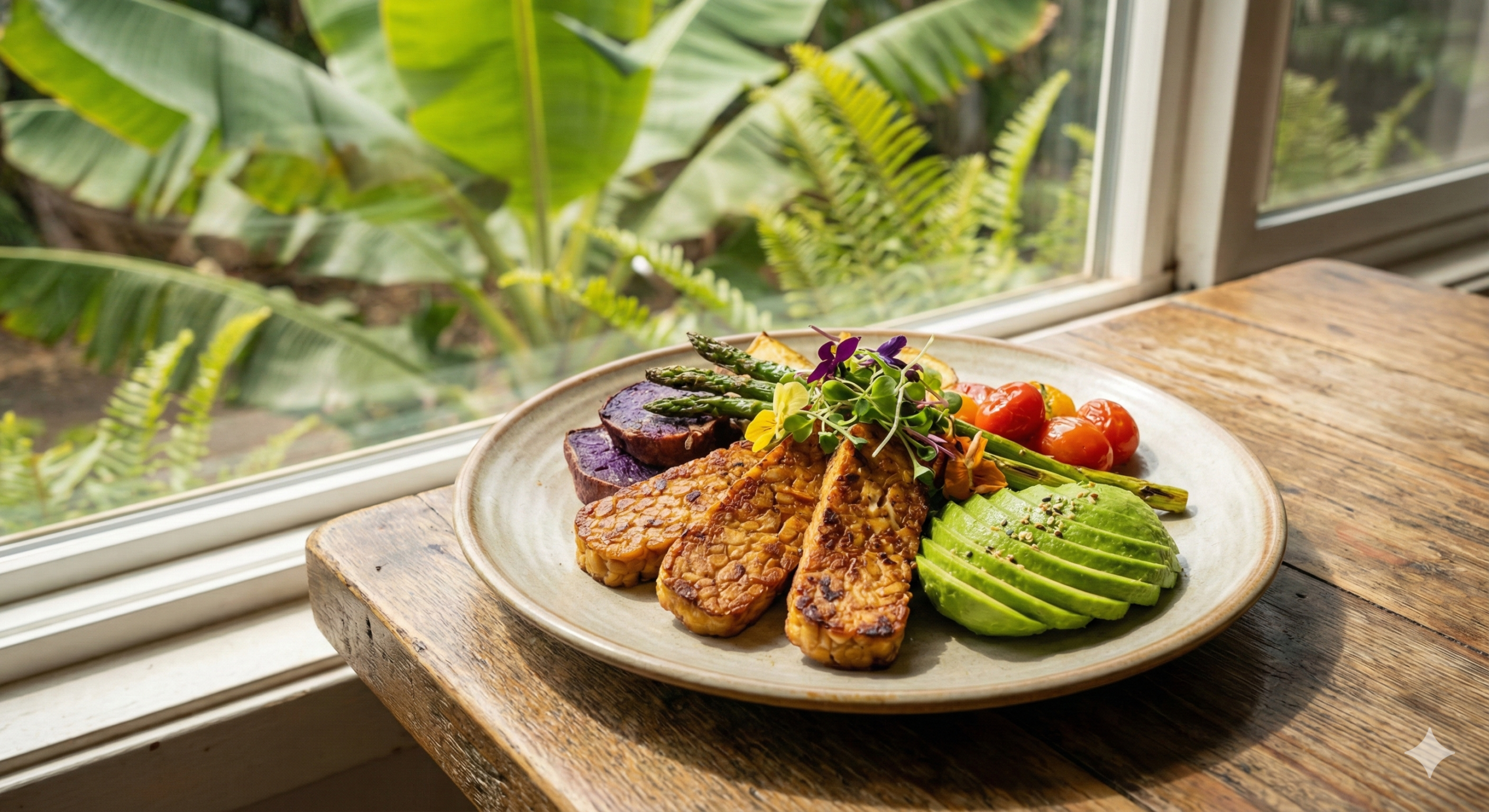
Why Maui-Made Tempeh is Your Gut’s New BEST Friend
Unpacking the Gut-Health Game Changer: Why Tempeh Reigns Supreme
Forget everything you thought you knew about plant proteins. While many are good, some are simply great. And then there’s Tempeh. Specifically, the kind cultivated with care, passion, and the Aloha spirit. We’re talking about a whole food powerhouse that doesn’t just fill you up – it actively nourishes your gut from the inside out.
| Feature | Maui-Made Tempeh | Standard Tofu | Processed Plant Proteins |
|---|---|---|---|
| Primary Benefit | Superior Gut Health, Whole Food Protein | Versatile Protein, Low Fat | High Protein Isolate, Quick Fuel |
| Processing Level | Fermented Whole Food | Coagulated Soy Milk | Highly Processed Isolate |
| Fiber Content | VERY High (whole beans) | Low (soy milk derived) | Often Low/None |
| Probiotics/Gut Health | Rich in Postbiotics/Prebiotics (fermentation) | None | None |
| Flavor Profile | Nutty, Earthy, Umami; easily marinates | Neutral, absorbs flavors | Often bland or artificial |
| Nutrient Density | Exceptional (Protein, Fiber, Iron, Calcium, B Vitamins) | Good (Protein, Calcium) | Variable, often fortified |
Ready to ditch the dull and embrace a plant-based protein that actually does more for you? Let’s dive into the undeniable advantages.
Beyond the Buzz: The Science-Backed Power of Tempeh for Your Body
This isn’t just about another meat alternative; it’s about optimizing your health. Tempeh, particularly when crafted with intention, brings a nutritional profile that’s hard to beat.
Fueling Your Cells: What Makes Tempeh a Nutritional MVP?
- Protein Powerhouse: A single 3-ounce serving of Tempeh can pack roughly 18-20 grams of complete plant-based protein, making it an excellent muscle builder and satiating option for any diet. It’s a complete amino acid profile your body craves!
- Fiber-Rich Feast: Unlike many plant proteins, Tempeh retains all the fiber from the whole soybeans. This isn’t just good for regularity; it acts as a powerful prebiotic, feeding your beneficial gut bacteria and contributing directly to a thriving microbiome.
- Micronutrient Marvel: Tempeh is a surprising source of essential minerals like iron, magnesium, phosphorus, and calcium. The fermentation process actually makes these nutrients more bioavailable for your body! Best Vegan Breakfast: Day with a Plant-Powered Punch!
- Vitamin B Boost: Especially B vitamins, crucial for energy metabolism. Some studies even suggest fermented Tempeh can produce small amounts of B12, though supplementation is still recommended for strict vegans.
The Fermentation Advantage: Gut Health, Unlocked
“Fermented foods like Tempeh are game-changers for gut health. The beneficial bacteria and enzymes produced during fermentation not only improve digestion but also enhance nutrient absorption and support immune function. It’s truly food as medicine.” – Dr. Maya Patel, Functional Nutritionist.
- Prebiotic Power: The fiber in Tempeh acts as a potent prebiotic, feeding the good bacteria in your gut and fostering a balanced ecosystem.
- Digestive Ease: The fermentation breaks down some of the complex compounds in soybeans that can be difficult to digest for some, often making Tempeh much easier on the stomach than unfermented soy products like tofu.
- Reduced Antinutrients: Fermentation significantly reduces phytic acid, allowing for better absorption of vital minerals like iron and zinc that might otherwise be inhibited.
Why “Maui-Made” Tempeh Isn’t Just a Label, It’s a Promise
In a world saturated with mass-produced options, the origin and craftsmanship of your food matter more than ever. “Maui-Made” isn’t just a geographical tag; it signals a commitment to quality and a unique experience.
The Aloha Advantage: What Makes Maui Tempeh Superior?
- Local Sourcing, Global Impact: While soybeans may not always be Hawaiian-grown, “Maui-Made” often signifies small-batch, artisanal production with a commitment to quality ingredients, potentially organic, and non-GMO soybeans. This approach often prioritizes ethical sourcing and minimal processing.
- Craftsmanship & Care: Larger, industrial producers prioritize speed and volume. Maui-Made Tempeh often benefits from meticulous attention to detail in the fermentation process, ensuring optimal flavor, texture, and nutritional integrity that big brands can’t replicate.
- Supporting Local: Choosing Maui-Made contributes to local economies and sustainable food systems, reducing food miles and fostering community resilience. It’s a choice that feels good for your body and your conscience.
Transform Your Plate: Making Tempeh a Culinary Star
Don’t let the firm block intimidate you! Tempeh is incredibly versatile and eager to soak up flavor.
- Flavor Absorption Master: Tempeh’s firm, porous texture makes it an absolute champion for marinating. Think smoky BBQ Tempeh, savory Teriyaki Tempeh, or spicy Buffalo bites! It’s a blank canvas for your culinary creativity.
- Versatile & Delicious: Crumble it into chili for a hearty protein boost, slice it for epic sandwiches, cube it for vibrant stir-fries, or even grill it whole for a show-stopping main. The possibilities are truly endless.
- Texture Transformer: Pan-fry, bake, or air-fry – get it golden and crispy on the outside, tender and satisfying on the inside. Say goodbye to mushy plant proteins and hello to a satisfying chew!The Rise of the Pegan Diet: A Realistic Guide to This Paleo-Vegan Hybrid
Frequently Asked Questions
Q: How does Tempeh compare to Tofu for gut health?
A: Tempeh generally offers superior gut health benefits due to its fermentation process, which introduces beneficial compounds and retains more fiber from the whole soybeans. Tofu, while healthy, is not fermented and contains less fiber, making Tempeh the clear winner for digestive support.
Q: Is Maui-Made Tempeh always organic or non-GMO?
A: While “Maui-Made” strongly suggests artisanal quality and ethical practices, it doesn’t automatically guarantee organic or non-GMO certification. Always check the specific product’s labeling or the manufacturer’s website for these details, though many small-batch producers prioritize them.
Q: Can I eat Tempeh every day on a plant-based diet?
A: Absolutely! Tempeh is a highly nutritious and versatile whole food that can be a fantastic daily staple in a balanced whole food plant-based diet, providing essential protein, fiber, and micronutrients. As with all foods, variety is key, so enjoy it alongside other diverse plant foods.
Q: Does Tempeh taste like meat?
A: Tempeh has a distinct nutty, earthy, and sometimes mushroom-like flavor, quite different from meat. However, its firm texture and remarkable ability to absorb marinades allow it to mimic meat’s role and satisfying mouthfeel in many dishes, making it an excellent and flavorful substitute.