
The Global Vegan: Discovering Plant-Based Cuisines from Africa & Asia for a Resilient Lifestyle
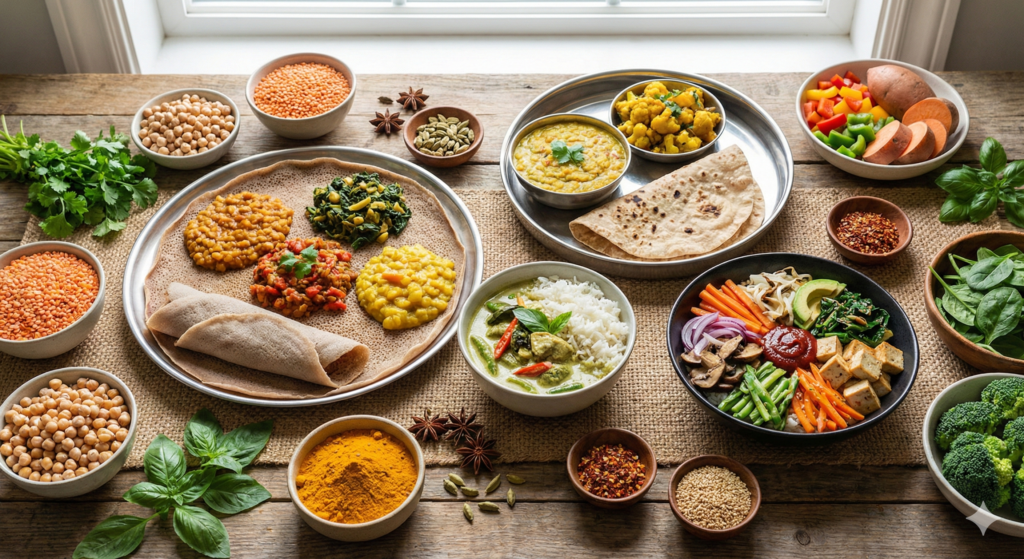
The Global Vegan: Discovering Plant-Based Cuisines from Africa & Asia for a Resilient Lifestyle
In a world often defined by diet trends and conflicting nutritional advice, a truly transformative approach to healthy eating isn’t about restriction; it’s about exploration and resilience. At LifestyleCart.com, we believe that sustainable wellness isn”t just about what you eat, but how you integrate it into the beautiful, chaotic tapestry of your everyday life. Today, we invite you on a culinary odyssey to Africa and Asia, regions whose ancient traditions offer more than just delicious plant-based recipes; they provide a blueprint for navigating the unspoken emotional and practical hurdles of maintaining a healthy, plant-powered diet amidst social pressures, time crunches, and unexpected cravings. Get ready to discover battle-tested strategies that cultivate psychological resilience, allowing you to embrace a global vegan lifestyle without guilt or giving up.
Why Explore Global Vegan Cuisines? Beyond the Plate
The global shift towards plant-based eating isn”t just a fleeting trend; it”s a movement rooted in health, ethics, and sustainability. Yet, for many, the journey can feel daunting. How do you maintain variety? How do you cook for a family with diverse preferences? How do you find joy in the kitchen when life gets busy? The answer, surprisingly, often lies in looking to cultures where plant-based eating isn”t a “diet” but a way of life – rich in flavor, tradition, and inherent wisdom.
The Inherent Veganism of Ancient Traditions
Many African and Asian cuisines, born out of necessity, cultural values, and a deep connection to the land, are naturally abundant in plant-based dishes. Before modern agricultural practices and globalized food systems, reliance on local, seasonal produce, grains, and legumes was common. These traditions offer a masterclass in resourcefulness, flavor development, and holistic nourishment, providing a powerful antidote to the modern struggle for sustainable healthy eating.
Africa’s Plant-Powered Palette: A Journey Through Culinary Resilience
From the sun-drenched plains of East Africa to the vibrant markets of the West, the continent offers an incredible diversity of naturally vegan dishes. These cuisines often prioritize nutrient-dense staples, robust spices, and communal dining experiences that speak to the heart of what it means to eat well, together.
East African Delights: Ethiopian & Eritrean Staples
- Injera with Wots: The quintessential Ethiopian/Eritrean meal centers around injera, a spongy, sourdough flatbread made from teff flour. It serves as both plate and utensil, scooping up a variety of flavorful stews (wots). Vegan wots are abundant, including Misir Wot (red lentil stew), Shiro Wot (chickpea flour stew), and Kik Alicha (split pea stew). These are rich in protein, fiber, and complex carbohydrates, providing sustained energy. The communal act of sharing injera fosters connection, a powerful buffer against dietary isolation.
- Key Ingredients: Teff, lentils, chickpeas, collard greens, berbere spice blend (chili, ginger, garlic, fenugreek, etc.).
West African Heartiness: Flavorful Stews & Grains
- Peanut Stew (Maafe): Popular across West Africa, this rich, creamy stew combines a tomato and peanut butter base with an array of vegetables like sweet potato, carrots, and spinach, often served with rice or fufu (a starchy side). It”s a testament to using readily available ingredients to create incredibly satisfying and protein-packed meals.
- Jollof Rice: While often prepared with meat, vegetarian versions of Jollof are fantastic, incorporating mixed vegetables into the fragrant tomato-based rice. It”s a celebration dish that demonstrates how adaptable and vibrant plant-based meals can be for gatherings.
- Key Ingredients: Peanuts, tomatoes, rice, okra, plantains, leafy greens, Scotch bonnet peppers.
North African Vibrancy: Tagines & Couscous
- Vegetable Tagine: Named after the clay pot it”s cooked in, a vegan tagine bursts with aromatic spices like cumin, coriander, turmeric, ginger, and saffron. It combines various vegetables (carrots, zucchini, sweet potatoes, chickpeas, dried fruits) slow-cooked to tender perfection, often served over fluffy couscous. This method embodies batch cooking and flavor development, making healthy eating accessible even on busy weekdays.
- Key Ingredients: Chickpeas, preserved lemons, olives, dates, apricots, array of spices, couscous.
10 Best Vegan Ice Creams: Your Guide to Dairy-Free Delights🍦
Asia’s Abundant Plant-Based Traditions: A Tapestry of Taste & Wellness
Asia, home to over half the world”s population, boasts an unparalleled diversity of plant-based culinary traditions. From the intricate balance of flavors in East Asia to the spice-laden dishes of South Asia, these cuisines offer a wealth of inspiration for the global vegan.
South Asian Staples: India’s Legacy of Veganism
- Dals & Lentils: India has arguably the most sophisticated lentil and legume culture in the world. From creamy Dal Makhani (black lentils) to tangy Toor Dal (split pigeon peas), dals are a protein powerhouse and a staple at almost every meal. They are inherently vegan and incredibly versatile.
- Vegetable Curries & Sabzis: An endless variety of vegetable curries (sabzis) utilize local produce like cauliflower, spinach, potatoes, peas, and eggplant, each brought to life with a unique blend of aromatic spices. Turmeric, cumin, coriander, fenugreek, and mustard seeds are not just flavor enhancers but potent anti-inflammatory agents.
- Key Ingredients: Lentils, chickpeas, rice, naan (can be made vegan), coconut milk, tamarind, an expansive spice pantry.
Southeast Asian Sensations: Freshness & Bold Flavors
- Thai Curries: Many Thai curries (Green, Red, Massaman) are easily made vegan by substituting fish sauce with soy sauce/tamari and using tofu or abundant vegetables. They offer a perfect balance of sweet, sour, salty, and spicy, often featuring creamy coconut milk.
- Vietnamese Pho (Chay): The vegan version of this iconic noodle soup (Pho Chay) uses a fragrant vegetable broth infused with star anise, cinnamon, and ginger, loaded with rice noodles, mushrooms, tofu, and fresh herbs. It”s a comforting, nourishing bowl that demonstrates the power of umami from plants.
- Key Ingredients: Rice noodles, coconut milk, lemongrass, ginger, garlic, chilies, fresh herbs (cilantro, mint, basil), tofu, tempeh.
East Asian Elegance: Balance & Simplicity
- Japanese Sushi & Tempura Variations: While often associated with seafood, many traditional Japanese dishes are vegan-friendly. Avocado, cucumber, and pickled daikon rolls are common, and vegetable tempura (crispy fried vegetables) offers a delightful texture. Miso soup, often made with dashi (fish stock), can be easily prepared with kombu (seaweed) dashi.
- Korean Banchan & Bibimbap: Korean cuisine features an array of delicious plant-based side dishes called banchan – think kimchi (ensure no fish products), seasoned spinach, bean sprouts, and various pickled vegetables. Bibimbap (mixed rice) can be loaded with these banchan, tofu, and gochujang (chili paste) for a wholesome, customizable meal.
- Key Ingredients: Rice, tofu, tempeh, seaweed, mushrooms, soy sauce, sesame oil, kimchi (check ingredients).
Beyond the Plate: The Unspoken Benefits of a Global Vegan Lifestyle
Adopting a global vegan perspective offers more than just culinary diversity; it”s a holistic approach that nurtures both body and mind, equipping you with tools for a resilient, sustainable lifestyle.
Nutritional Powerhouse & Gut Health
- Fiber-Rich: Grains, legumes, and vegetables are the cornerstones of these cuisines, providing abundant fiber crucial for digestive health, blood sugar regulation, and satiety.
- Nutrient Density: A wide array of ingredients ensures a spectrum of vitamins, minerals, and antioxidants. Turmeric in Indian curries, teff in Ethiopian injera, and various seaweeds in Japanese dishes are just a few examples of nutrient-dense powerhouses.
- Plant-Protein Rich: Lentils, chickpeas, beans, tofu, tempeh, and nuts are staple protein sources, easily integrated into diverse meals, combating the common concern about protein intake on a vegan diet.
- Anti-inflammatory Benefits: Many traditional spices and herbs used in African and Asian cooking (ginger, turmeric, garlic, chili) are celebrated for their anti-inflammatory and immune-boosting properties, contributing to long-term health.
Environmental & Ethical Impact
Choosing plant-based options significantly reduces your carbon footprint, water usage, and land degradation, contributing to a more sustainable planet. It also aligns with ethical concerns for animal welfare.
Navigating Your Vegan Journey: Practical Strategies for a Real-World Life
The true genius of global vegan cuisine lies in its adaptability and inherent practicality, offering solutions to those “unspoken hurdles” that often derail healthy eating efforts.
1. Embrace Flavor Building, Not Just Recipes
Instead of relying solely on exact recipes, learn the flavor profiles of different regions. Understand how to balance spices in an Indian curry, or the interplay of sweet, sour, salty, and spicy in Thai food. This knowledge empowers you to improvise with what you have, making cooking less prescriptive and more joyful. When you understand the components of a great African stew, you can swap vegetables based on seasonality or what”s on sale, reducing food waste and grocery bills.
2. Master Batch Cooking & Component Prep
Many global vegan dishes lend themselves perfectly to batch cooking. Cook a large pot of Ethiopian lentils, a big batch of seasoned rice, or a versatile Thai curry base on Sunday. Then, mix and match components throughout the week. This minimizes weekday cooking stress, making healthy, delicious meals readily available, a key to resisting quick, unhealthy choices when time is short.
3. Cultivate Culinary Flexibility & Social Grace
Don’t let social situations be a stumbling block. The diverse nature of global veganism means there are options for almost any occasion. When dining out, look for Indian dals, Thai curries (request vegan), or Japanese vegetable rolls. When visiting friends, offer to bring a delicious, shareable African peanut stew or a vibrant Korean bibimbap. Sharing these flavorful dishes often sparks curiosity and appreciation, turning potential awkwardness into culinary delight.
4. Harness the Power of Spices for Cravings
Often, cravings stem from a desire for intense flavor and satisfaction. Global cuisines teach us to achieve this through an incredible array of spices and herbs, not just sugar, salt, or fat. Learn to use chili for heat, tamarind for tang, smoked paprika for depth, or ginger for warmth. These natural flavor bombs can satisfy your palate and make whole foods exciting, helping you build a healthier relationship with food.
5. Budget-Friendly & Accessible Ingredients
Many of the foundational ingredients in African and Asian vegan cuisines – lentils, rice, chickpeas, seasonal vegetables, and common spices – are incredibly affordable and widely available. This makes a global vegan lifestyle not just healthy, but economically sensible, removing a significant practical barrier for many.Best Vegan Breakfast: Day with a Plant-Powered Punch!
Conclusion: Your Global Vegan Adventure Awaits
The journey into global veganism, particularly through the rich traditions of Africa and Asia, is more than a dietary choice; it”s an empowering path towards a more resilient and sustainable life. By embracing these diverse cuisines, you gain not only a pantry full of incredible flavors and nutrient-dense ingredients but also a toolkit of practical strategies and a mindset of abundance. You learn to navigate the real-world challenges of healthy eating with creativity, flexibility, and joy, transforming cravings into culinary adventures and social pressures into opportunities for shared discovery. So, open your spice cabinet, explore your local international market, and let the wisdom of ancient plant-based traditions guide you to a vibrant, guilt-free, and truly global vegan lifestyle. Your journey to sustainable wellness, fueled by the world”s flavors, starts now.